
Introduction
It seems that one day, King David was sitting in the comfort and beauty of his Palace, surrounded by the splendour of Jerusalem, protected by her walls; it suddenly dawned on the King that while he was sitting in the splendour and comfort of his palace, the Ark of the Covenant – that Symbolised the presence of the Lord – was lying by comparison in Squalor. Thus, King David took it upon himself with good intentions to right what became an obvious wrong. He checked with the Lord’s prophet, who assured him it was a good idea until the Lord spoke to the prophet Nathan to speak to David and the Lord’s plan. In short, David had the right idea and the wrong timing: the task and privilege of building the house of the Lord would belong to another.
Perhaps a simple reminder for those of us who walk with the Lord and seek to live for him is that in the Kingdom, there will be moments when we have ideas for service and Kingdom building that might be right but may not be ours to fulfil. What matters is never who does what but that in the doing, God gets the Glory. I am sure in the rejection of what was Good, David felt a tinge of disappointment with a hint of regret, yet he knew his place and, in response to the rejection of his role, delighted in the truth of who God was and that God was going to do what God was going to do.
Why Not David?
What David longed to do was a beautiful thing, and he had done much good for the Lord and his people; even when he stumbled into deep sin, he repented and returned to the Lord again and again, and through David, God had established the people of Isreal as a nation and outlined for them what was required of them. The Lord would dwell with his people and give them somewhere to enter into his presence, but the privilege of building and overseeing the construction would belong to one whose reign would be marked by peace. David had been a king of the Lord’s heart and would remain one of the best kings of Isreal, yet his hands were covered in blood. He had been one who had waged war to advance his borders, and so the Lord wanted the temple to be constructed by a King who did not carry the same legacy of David (2 Samuel 7:1-15 & 1 Chronicles 22:6-8).
The temple would be a symbol of peace between God and his people, and it would be built in a time of peace; David had been a warrior King, and under Solomon (of Peace), the temple would symbolise peace, protection and the presence of God among his people as long as they remained at peace with him. This reality must have devastated David as he wanted to fully honour what the Lord had done for him, yet one that he accepted. It’s not a major part of the passage or what we might think about today, but perhaps it could be a gentle reminder to all of us that in the work that the Lord calls us to in his Kingdom and the church building, it is a Multi-generational affair. As citizens of the Kingdom, we must remember to look beyond ourselves and the themes that have marked our generation. We must delight in looking to the generations who are coming after us as we prepare the ground for them, work to equip them, and, when the time comes, willingly hand over to them, not to be replaced by but to work alongside knowing that it is God who does the work through us as we delight in serving. The task did not belong to David, but David did his part as he prepared the ground for peace so Solomon could lead a time of prosperity. We all serve in such a time, and such a place, and what is important to remember is faithfulness is in our walking in with and honour of the Lord, not in the specific task we do or the specific way it is done, but in responding to and following the leading of God in service of his Kingdom to his Glory. David had his work to do, and Solomon his – what matters is they heard the Lord and trusted him. The Temple was Solomon’s call to construct, and now we join him at the moment when seven years of hard work have finished, and the Temple is ready for the worship of Yahweh.
The Process So Far
You can maybe imagine one of those smooth videos launching a new store and inviting you to come down and enjoy everything that is on offer. We join Solomon at a moment that is far more significant, profound and beautiful. Where seven years of Labour make way for the invitation to worship Yahweh and know his dwelling presence among his people. When we consider these verses, remember all that has gone before:
- Chapter 5: records the gathering of the material’s required in order to build the temple, as Solomon begins to enact that which David first envisioned. The building of the temple, not just with whatever they could find but with the best materials from all over the known world.
- Chapter 6: records the initial phases of construction of the Temple (1-12) and then its internal decoration (14-38), a project that would take seven years to complete.
- Chapter 7: Records both the completion of Solomon’s Palace and various public buildings in which meetings would take place. Then we are reminded of the level of work required to build a temple fitting to be the place where Yahweh would dwell (Symbolically) among his people as the writer outlines: the creation of utensils for Temple worship, the gold furnishings, the Alter and Table for the bread.
Then, seven years of work are summed up in twelve words: “All the work King Solomon did in the Lord’s Temple was completed.”
That which David had dreamed off, his Son and heir had now completed, yet the work of Solomon was not finished at this point, because in peace he had built the permanent Tabernacle of the Lord, and now he would lead his people to known, and live out their peace with God in worship and service of Him.
The Procession of Dedication (8:1-3)
The temple is complete and ready to assume its place at the centre of the worshipping life of the people of God. Thus, the dedication Process that Chapter Eight records is both a public act of Worship and a reminder for the people of God. In verses 1-9, we get to glimpse a historic moment in the life of the people of God. The dedication process that begins at King David’s private shrine in front of the gathered leadership of the nation, as well as most of her people, is steeped in covenant history and the story of the Exodus. It is a reliving of the history of the people of God, as in worship, they are reminded about the God who has always been with them and always been faithful. In the dedication process for the Temple, they are reminded of two things:
- The God they worship. The temple may be majestic and one of the wonders of the world, but it pails into insignificance when compared to the Power, Majesty and Glory of God. The temple was a place to Worship, but it was always a place to remind the people of God of the Supreme worth of Yahweh, who had called them.
- The importance of Worship. The dedication process moved the Ark of God, which is symbolic in its form and the journey it travels. The Ark signifies the presence of God and moves from the Private space of King David into the Centre of the Temple in the Centre of the Capital of God’s people. The Point? The worship of Yahweh would be central to their national identity and what it meant to be a citizen of Israel. God’s people were called not just to be known by his name but by their worship of Him and trust in Him. Worship is a whole-of-life movement and endeavour, and the dedication process makes that clear to the people of God, whether they will see it or not.
A Significant Moment for the People of God (5-9
We must be clear: this is a significant moment in the history of Isreal; it is essential because one of the grandest Constructions in human history is completed as the pinnacle moment of the pinnacle period in the History of the people of God. We see this in so many ways. The gathered tribal leadership of the people of God, who the king has brought to watch as the Priests and Levites move the Ark into the city (Solomon having learned from his father’s mistakes before). This is a massive celebration before the Lord almighty because even as the Ark moves, the people offer sacrifices too vast to count. Sheep, goats, and cattle are presented in worship and reverence to the Lord Almighty. After seven years of waiting, in the seventh month of the year, the people of God respond to the presence of God, who has always been with them rightly and beautifully. The provision and grace of the Lord are unfathomable toward his children, and our response in worship should be shaped by our grasping of what we have received.
Those who grasp the wonder of God and the beauty of his abundant Grace – which even the Jewish Sacrificial system made known and pointed to something to come – should display in their worship the fruit of that realisation. As we see in this passage, worship is not something at a particular time or place; it is not something that begins at 10:30 and ends at 12. Worship is a whole life movement and affair in response to who God is, what God has done (in Christ), and the hope of what God tells us is to come. Worship is life, and our life is an act of Worship in response to the Goodness and Grace of God. We, of all who live knowing the fullness of this in Christ, should be most thankful, and our lives should make us see what we have received.
A Reminder of What Worship Is
Worship is a response of thankfulness in Grace marked by Joy and humility. Yet, where we often end up is weighed down by religion or manmade understandings of what worship is, what it must look like, where it must be done, and how it must be done. Then, if our Worship/life does not conform to their standards and expectations, we are made to feel as if we have disappointed the Lord. Yet, again, as ever, we must first return to Scripture, and it is clear that it shows us what true worship looks like, as it looks to God and is done in response to God. To see the Lord can only be marked by one response – true Worship.
In verses 6-7 we see the Ark, in essence, reach its rightful place as it is settled under the wings of the Great Cherubim. It is a beautiful Picture as the Ark containing the Tables of the Commandments is placed under the Cherubim, whose wings extend across the width of the entire inner Sanctuary, Symbolic beings that represent both the Glory of God and agents who are charged with protecting the Glory of God. Majesty as the whole of the Temple was Centered on one point – where the Ark of the Covenant would be set and where Symbolically the Glory of God would be most visibly represented. The Ark of the Covenant was now in its rightful place, yet, interestingly, we are told a few verses later that there was nothing in the Ark bar the Stone tablets of the law Moses had put there after the Lord made his Covenant at Horeb. This means that the Ark that symbolises God’s covenantal dwelling with his people contained only the first words He gave to them to define what it would mean to live with Him, trust Him, and worship Him. We know God in the Word and what it means to live/worship Him by his word. The Ark was important to the people of God and the worship of Yahweh but only in its Symbolism – it acted only as a witness to God’s covenant and faithful presence among his people.
The Lord Shows Why We Worship Him (10-11)
And when the priests came out of the Holy Place, the cloud filled the house of the LORD, so that the priests could not stand to minister because of the cloud, for the glory of the LORD filled the house of the LORD. (vv. 10, 11)
It is almost bland in its description, nearly passable if you are ready quickly. After the level of detail that has unfolded in the description of the Processional towards the temple, there is a point in the simplicity of the language – the event is almost indescribable. No words describe what the people witnessed before them as the Lord makes them known. In this moment, we witness the tangible presence of God filling the temple. So unfathomable is the moment that the only image that the writer can use to describe the visible presence of the Lord is “cloud”, and it is a moment so overwhelming that even the priests could not continue their duties.
It is an extraordinary moment that would have evoked memories of the Stories of old when the Lord appeared to Moses, and his Glory/cloud covered the Tent of Meeting. The Glory of the LORD filled the Tabernacle, again to the point where Moses was unable to enter (Exd. 40:34). The revelation of the Glory of God mirrors that which occurred with Moses and marks the Lord’s visible pleasure with the Worship of the people, and tangible reminder that he has always been with them. He will continue to dwell with them if they worship/trust in Him.
This is a profound reminder that worship is not simply about rituals or offerings but about encountering the living God in His glory. When God’s presence manifests, it transforms everything—it reorders our priorities, silences our striving, and calls us into awe-filled reverence. In His glory, we find both our purpose and our peace as we are drawn into the very heart of God’s presence, which surpasses even the beauty of the temple itself. Is it not marvellous to think that the same Glory that appeared before the people of God for a moment dwells in each of his children today, not briefly for a moment here and there, but eternally in the person of the Holy Spirit, but in every moment of our living and every facet of our life’s if we have trusted in the Lordship of Christ. The Glory of the Lord dwells in the citizens of the Kingdom because we are the Temple in which God dwells and through which He shall be worshipped. The Church, as the gathered people of God, are the temple of God because: ” As you come to him, the living Stone—rejected by humans but chosen by God and precious to him— you also, like living stones, are being built into a spiritual house to be a holy priesthood, offering spiritual sacrifices acceptable to God through Jesus Christ. “
Why we Can Worship: Mercy at the Centre of it All (Conclusion)
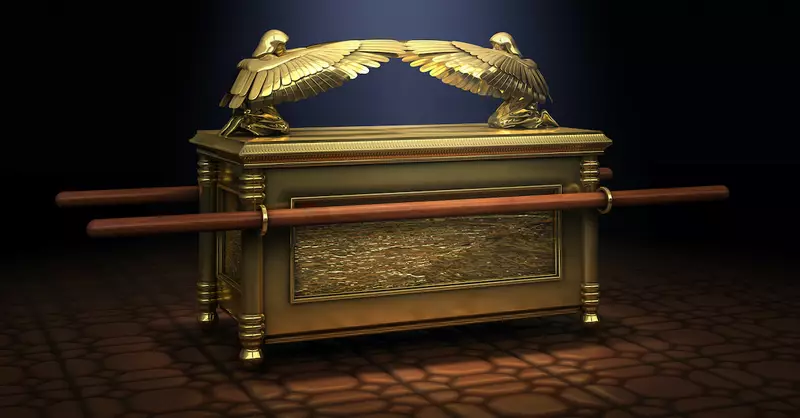
Now, at the centre of the Lord’s house sits the ark that Symbolises his Covenant with his people. That covenant was where God promised to dwell with his people, protect, guide them, and keep them by His might, not theirs. A covenant is written in stone (Exodus 33) and sealed in the blood (Genesis 15:7-21), where he took upon Himself the burden of keeping it and alluded to what must be done in a time to come to fulfil it. The covenant the Lord made with his people was unrealistic because it was obvious from day one that they would be unable to keep it; no one could. Thus, the power and symbolism of the Abrahamic covenant were that the Lord took upon himself the burden of his people, breaking their covenantal relationship with him. It was a sign that God planned to enable those he called to Himself to dwell with him. It was a covenant sealed by blood (Genesis 15) and, in worship, alluded to as the people sacrificed before God. It was a covenant in which the seal of blood was the seal of Mercy.
Mercy was at the centre of it all and the centre of the worshipping life of God’s people because on the cover of the Ark sat the mercy seat of God. The mercy seat lies at the temple’s heart and will remain there as long as God’s people trust Him and worship him according to His word. It is a vivid reminder that God’s throne is established in mercy. Additionally, it is a vivid reminder for us, who are Christ’s disciples, that it is by Mercy that we can worship freely.
In Hebrews 9:5, as the written reflects on the Covenant, the word for “mercy seat” is hilasterion, which means something along the lines of “that which makes expiation” or “propitiation.” They are technical terms, but the point is simple as it carries the idea about the removal of sin. God’s mercy is in removing the burden of sin from those who turn to him in repentance by faith. Why does it matter? Because we remember that the New Testament tells us that Jesus is our Propitiation (Romans 3:24-25) We are invited into His presence through His mercy, not by our righteousness but through His gracious provision. This mercy, foreshadowed in the sacrifices of the old covenant and fulfilled in Christ, is the foundation of our worship. We approach God not because we deserve it but because He has made a way for us, reminding us that true worship is always a response to the immeasurable grace He has shown us. Our sins may be many, but His mercy is always more. So, as we know, Mercy, worship by Mercy, then let us make mercy known by living out our call to Worship in a weary and waiting world.
 Atr Irwin