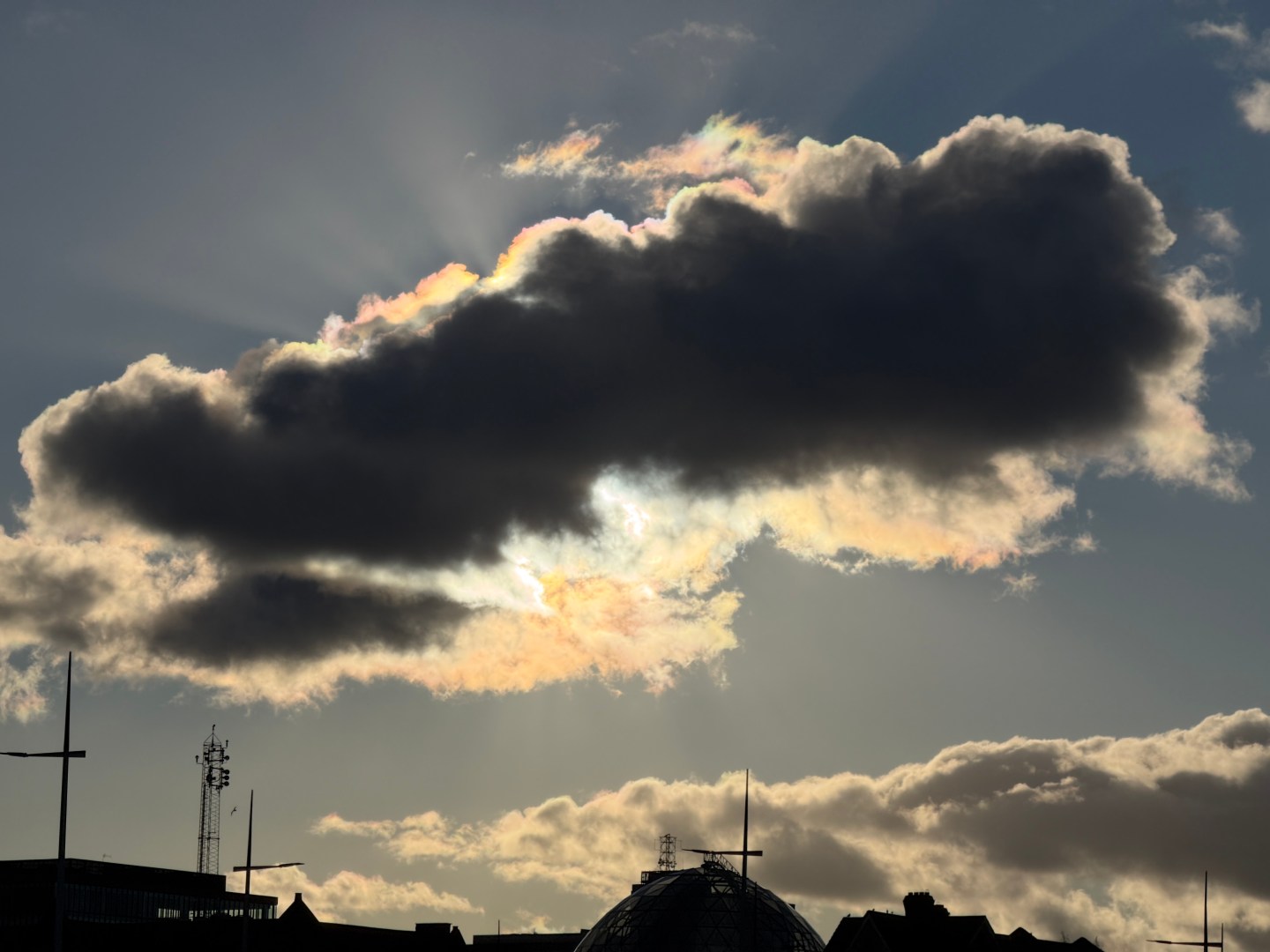
There is something about the mountain top, the beauty of getting there after a long hike, and looking around and suddenly the breathlessness of the couple of hours it took to get to that moment feels a lot less, and the world seems a lot smaller as you look out across the views, and it feels like you can see everything there has every been. I love getting that sense that you get off a hike to the top as well, as the view improves with each step, and each moment the view starts to change – until you reach the top and it all feels like it was worth the effort. There is no real benefit to hiking a mountain. In today’s world, there is nothing up there we need; there is nothing up there that cannot be found at the bottom. We don’t even need to go up to take in the view because someone else has taken the photo for us.
Yet, we still hike, and we still climb, and we still appreciate the moment because there is something in us that wants to feel the grandeur of the climb, the wonder of the view, the beauty of the moment. There is something in us that draws us upwards. In our reading last week, we found ourselves lifted to the top of a mountain of truth about the wonder of who God is and the beauty of who God is for us. It was the mountain top moment of the majesty of God that Peter had been building to over the last few weeks as he tried to help this scatted church amid difficulty and hardship to endure by lifting their eyes of the moment to somethign greater, something more wonderful and something more sustaining – the beauty of God, the power of God, and the the presence of God that is with them by the Holy Spirit. It is the pinnacle of truth, and as their eyes have been lifted, so has their heart been challenged to consider how they are living and how they are loving.
The thing about the moment top is that we often want to stay there; it’s the easier place to be, as the world seems a little more beautiful and our gaze is taken off the moment in front of us, the challenge we are facing, and the road that we must take. There is beauty in the moment, and often when our eyes are fixed upon it, we just want to stay there. Isn’t that what happened in Matthew’s Gospel as Jesus takes the disciples up the hill, and there they see his true nature, his glory as it breaks through into the mundane of this moment; what does Peter want to do? To stay there: “Lord, it is good for us to be here. If you wish, I will put up three shelters…” Yet, the thing about the moment top – it will only ever be a moment and never a place that we can stay. We have to come down from the mountain into the ordinary because it is there that faith is lived, and the life of faith is grown. Peter wanted to build shelters and stay in that moment of glory. What did Jesus do? He led them down the hill into the valley, into the ordinary, because that is where they would contend for Hope as they walked the road towards the Cross. The scriptures want to be clear to us in every moment about our life with God and in the Spirit in the way of Christ: Our life is not lived on the mountain, but in the valley, in the ordinary; and yet we live in the valley with the beauty of the mountain in our vision, and shaping our lives.
Think about the journey in 1 Peter so far: Peter has tried to encourage a church that has been wearied on the road to continue on it. How has he done it? He can’t lift them onto some mountain away from all that is going on, but he has given them a vision of the mountain and all the truth that makes it about who God is, what God is doing in them and through them. Why? Because the Christian life is not about getting to the mountain or living up the mountain, it’s about setting our direction off and allowing it to become our truth north through every step on the road, every valley we enter into and come out of, every hill we ascend, and every break we take. It is the truth of God that guides us, and it is as we lift our eyes to the Hill that we see our help that is beyond it and greater – God (Psalm 121). Last week, we saw Peter lift our eyes to some of the Gospel’s peaks: The Glory of God, The Truth of our Redemption, and how we have been anchored in eternity. Peter showed us the Glory of God and the Glory of our redemption! Why? To fuel the life of our ordinay obedience in the call of the Kingdom as we walk the road that is before us, not to get up the mountain, but with the mountain insight until the Lord comes again as now he shows us one of the greatest outworking of audience – the call to love one another, because our call to build the Kingdom always outlast the hight of any moment.
2 Redeemed Hearts, Reordered Loves (1 Peter 1:22)
” Now that you have purified yourselves by obeying the truth so that you have sincere love for each other, love one another deeply, from the heart.” – 1 Peter 1:22 NIV
Peter has been clear with a weary church about where their strength and power come from and what that means for the reality of their lives. Yes, things are difficult, but they cannot expect anything different when they place their mind on the truth of who God is, and how God has revealed himself to the world – the Cross. Which was always to be the plan for the redemption of all humankind since before the foundation of the world; God would reveal his Glory by suffering, because it would be suffering that would confront the ways of the world, and how we choose to define power, might, and right. Thus, in the face of suffering, challenge, and the Barren seasons of life, we can see the face of God, for those are often the moments when we see God most clearly. Indeed, it was by the suffering of God that the Glory of God was revealed in the Lamb of God, and the people of God have been brought in by his blood. Which was enacted at this time for the sake of you, this Church that Peter has been writing to, God acted in this way for their sake and encouragement. And, we today – God has acted in his timing and way to encourage us along the way of the Cross as we contend for hope amid our ordinary. Peter has reminded them that they have become the people of God, that they have been redeemed at an infinite cost by a holy God through the Blood of the perfect Lamb, and that a Holy God has called them to be a holy people for him in an unholy world. What does it mean to live as a holy people before a Holy God? Simple – Love! We can be in the presence of a holy God because, out of his love, he sent his son. The beautiful thing is that his love will change ours, because his love changes us.
Do you see the flow of the sentence: since we have purified ourselves by obeying the truth, as in since we have become pure by responding to the truth of who Jesus is, now we are enabled to live as Jesus lived. This is a sentence that points to a changed reality because of something, it is not moralism, or religion – it is the fruit of the Gospel within us because of the Spirit who is at work through us. The way the NLT helps us to understand simply and beautifully that the love talked about here is from fruit, and not by moralism: “You were cleansed from your sins when you obeyed the truth, so now you must show sincere love to each other as brothers and sisters. Love each other deeply with all your heart.”
Cleansing came through giving into the authority of God and admitting that we cannot do it ourselves, and from it and because of it, we, by the Spirit, will naturally be moved to show it in the world. How? Love! JP Philips buts it that our hearts are clear for a genuine love of our fellow believers. And that is the interesting point here, two different kinds of love are mentioned here as a result of our purification and part of our call: Philadelphia & Agapō – That is brother love, and sacrificial love. The truth of the Gospel in us produces love that is both outward towards those God has called us to be in family with, and the wider world and deep in its willingness to embrace, endure, and enjoy for the sake of the truth.
When we give our lives to Christ by faith, then our lives begin to reflect Christ in the world as the Spirit transforms us to live for him, by living like him to the Glory of God. And, at the heart of it all is love – How we love one another – Philadelphia, and the type of love we are moved to – Agapō, the love that took Jesus to the cross, a love that is willing to endure, to sacrifice, and to go because Christ did so for us. Do you notice the flow: Purified souls; Obedience to the truth; Sincere brotherly love; Love one another deeply. Our Redemption does not just save us, it changes everything about us as God the Holy Spirit reorders our lives and affections. In Christ we are loved, and by the Spirit we are moved to make known that love in every season and every location. Even in a city that has been marked by division, we are called to live in such a way that shows the only thing that can truly unite us and heal us – the love of Christ and the reconciliation to God and one another through the Gospel. God’s love changes everything about us, and our lives should show that change as we are called to a deep love, not a selective love, to a theological love, not a tribal love – to a gospel love. And Peter shows us here just how powerful the good news of Jesus is and the love it creates, and God gathers for himself a new family, and us as part of it. A family where our love must be real and sacrificial because God has brought us together. A family not defined by our boundaries, our choices, but gathered and kept because of the redemption of God. A family that makes no records of what was, because of what is now by our redemption, that means we can gather freely and love in spite of history, politics, position, titles, jobs or mistakes boldly – because we love because God has first loved us!
Grace that does not reshape how we love, or lead us to desire to love differently, is Grace that has not yet been understood or taken root in our hearts. This love that Peter talks about is to come from the deep place of our heart, thus he describes it as loving deeply/earnestly,/feverntly. It is imagery and language that could be used in terms of someone running a race and the strain and effort they put in to achieve the goal of finishing. Whatever way we want to understand it, we are being challenged to something that is deeper than anything the world can understand because the love Christ has shown us on the Cross has affected us deeply, changed everything about us, and moved us in joy to show the world that we are his disciples by how we love one another (John 14).
Thus, the challenge that the Spirit might be asking us to consider is how we might be being moved to love better, more deeply, more sacrificially within the family God has called us to be a part of, and into the streets that God has called us to serve? Love is not optional; it is something that we must go in and grow in: it is something that we must embrace as we welcome the stranger, and we serve the visitor and as we pray for those we have not yet reached. Why? Because when we allow ourselves to love like Christ, then the love of Christ is made known. Mission is an act of deep love, giving to the work of the Church is an act of deep love, and being patient with one another in the life of faith is an act of deep love that will show the love of Christ in this 175th year and beyond, as we go in Christ. We love because he first loved us, and because this love comes not from our own strength and heart, but a renewed strength and heart by the Holy Spirit – it’s love that comes from our new birth by faith.
3 New Birth by a Living Word (1 Peter 1:23)
“For you have been born again, not of perishable seed, but of imperishable, through the living and enduring word of God.” – 1 Peter 1:23 NIV
Peter now moves to explain what it is that enables the child of God to love like God. It’s not some sort of superior religious ability or moralism that the Christian has by their own strength and effort, and no one else has. Everyone can love well and love deeply; anyone of any faith or no faith can love in a way that seems otherworldly or sacrificial, especially when their love is true. So what enables the Discipleship of Christ to love like Christ in the way of Christ is not simply about something more that this world already has. No, the foundation is completely different – the deep love of God that we are called to and conformed by comes by the new birth that we have been born into by faith.
You remember how, by night, John recorded the approach of Nicodemus to Jesus as he wanted to know who this Jesus was, and by what means he was able to do the things he could do. Jesus told him that all who want to know God must be born again, not of the mothers womb but by the Spirit: “Very truly I tell you, no one can enter the kingdom of God unless they are born of water and the Spirit. Flesh gives birth to flesh, but the Spirit gives birth to spirit.” (John 3:5). Nichodemus left confused in the cover of the nights darkness as he failed to understand the truth that Jesus was teaching. Yet, the words that Jesus spoke there help us to understand here, this deep love that we are called to in the ordinary of our lives and through the valley of each day is not a love born of the flesh, but of the Spirit! Thus, it is not like a perishable seed, it is love that has sprung from something that is imperishable: the Holy Spirit, and the living and enduring word of God.
The word of God changes everything in our world because the word of God is not from this world. It’s not just simply truth; it is the life of God because it is how God acts in the world. When God speaks, God is acting! Thus, every time we come into contact with the word of God, He is acting in our mind, heart, and life ot do something – to bring life! To deepen our love of him, and in the deepening of our love of Him, His Spirit enables us to love deeply and in a way that shows the beauty of the Kingdom. Just ask Nico, the religious leader who left in the night, pondering: “How can this be?” under the protection of the night became a man who was willing to be seen in the day for Jesus at one of the worst moments – the Cross, as he, along with Joseph of Arimathea, gathered the Body of Jesus for burial. Why? Because they loved him and their love for him had transformed them. Nichodemus left wondering how it was possible, and with time, the word of God had reordered his affections as he stood publicly for Jesus and his followers. The new birth by faith is not one of this world, but because God has spoken, and thus the love that grows out of its fruit will look nothing like this world because it is not of this world.
4 Grass Withers, Glory Fades (1 Peter 1:24)
For, “All people are like grass, and all their glory is like the flowers of the field; the grass withers and the flowers fall, – 1 Peter 1:24 NIV
Why is it that this deep love that comes from our New birth in Christ is so different to anything that the world can offer or understand, because it does not come from this world. In words that will be familiar to many because of the funeral liturgies of the Christian faith, Peter quotes from Isaiah 40:6-8 to highlight how fragile our life in this world is; we are but grass, and all the splendour of our beauty and the things we gather in the scale of eternity are nothing more than the flowers of the field! As the funeral liturgy might put it, when the wind goes over it, it shall no longer be in its place. Too often, we think of ourselves as invincible and with plenty of time. Sometimes it is even the excuse you hear when you talk to people about faith and trusting in God – they want to do this or that before giving up their freedom to follow. Yet, it misunderstands both time and the joy of life in God. Thus, any love that comes from the things of earth will suffer from time in the same way that all things suffer; they will fade as the days pass and the hours go forward to the point that what once was, will not be. Like the writer of Ecclesiastes wrote: life is but a vapour, and in the light of it everything is meaningless.
Yet, our new birth in Christ has come about by means that are imperishable, like the precious blood of Jesus. This seed is rooted in the life of God, and because of this, it is inherently effective in the ordinary moments of our lives. The new life that comes by faith is new life every day; it is eternally new life from a new birth and life-giving in every season of life that we are in, through every valley we walk through. Thus, everything that flows out of this new birth is both eternal and eternally life-giving. Thus, the love that Christ births in us is unlike anything of this world in its beauty and power – where grass withers and flowers fail, the love of Christ endures in us and through us until eternity. Why? Because it grows from the word of God that has been planted into our hearts, and that which is eternal grows in us to give us our eternal existence. Thus, we continue to love because it is new every day, every hour and in every way, and as we love body and soul deeply, we make known our eternal hope through the Grace of our service and suffering fuelled by our eternal love in God.
Things will fade, says Peter, and all that will remain is that which matters in us and through us – the love of God. Peter is simply being pastorally realistic as he tells them this truth. All the things of this earth in the face of time are pointless. To put it another way, everything that is visible will one day vanish, all the things that we trust in will one day fail, and anything that is not rooted in God is fragile. That means all the things we love in our moment will one day be a memory or perhaps even forgotten. Cultural dominance, political realities, economic confidence; all the things and systems our world looks to will, in fact, be a page in a history book or a mistake that people would rather not talk about. Even things that we build for God can become fragile if we misunderstand them or give them too much status: Church buildings, our church history, the culture, the songs we sing, the words we use – we must test all of it in terms of the eternal purpose of God, and its usefulness in the life of the Kingdom. This might seem dramatic to say, but it should keep us humble as we walk with God, as we remember that even the splendour of the temple of David has been forgotten in history. It frees us to live for God now in his love as we make known his love, because if everything but his love in us and for us fades, then clinging to anything but his love is foolish.
Our city has seen industries rise and fall in its short life; it has seen streets built and rebuilt, and then rebuilt again; it has seen peace come and go and go and come as every generation has thought its moment was permanent. Yet, it was not. Faithfulness might be remembered by a few, but permanence belongs to God alone, and that is okay – we are free to live in our moment to his Glory and in light of our eternity in him and to love because he first loved us, and live knowing that by his death he destroyed our death, and in his rising he restored our life.
5 The Word That Endures — And So Must We (1 Peter 1:25) (Conclusion)
“but the word of the Lord endures forever.” And this is the word that was preached to you.” 1 Peter 1:25 NIV
Up on the mountain top, when Peter saw the Glory of God being fully revealed in the person of Jesus, he did not fully understand – but there he wanted to remain, to build shelters to stay in that moment. The application was completely off, even if the heat behind it was understandable – he wanted to be in the presence of God. Yet, what Peter is in full waffle mode as his Brain tried to figure out what is going on before him, he is interrupted as another speaks, as God speaks and tells him that they won’t just stay there, rather they will look to the one whom God loves and is pleased with. Not only will they look to him as God commands Peter and the disciples: “Listen to Him!”
Listen to who? Jesus, the son who is the eternal Word of God from the beginning (John 1). In Matthew 17, in that mountain-top moment, Peter is nearly right, yet so wrong about the enduring thing: it is not the word, nor the moment, nor even the glow of the Glory, nor even the experience. The enduring thing is the word of God. Thus, all these years later, as Peter writes to a weary church, he is writing from the memory of that moment as a young man, and a young disciple, because the command remains the same: listen to him! Peter once wanted to preserve a moment of Glory. Now we write to a church that is wearisome under the burden of the Kingdom, telling them to endure by the word. To endure in the call to love boldly and deeply because of the word, and to continue to live out the call of Christ in the ordinary of the valley, because the mountain does not sustain the life of faith, its made alive by the word of God that will not fade and that makes known the Love of God to us and through us. Thus, we have this beautiful picture where on the Mountain top Peter had a revelation of the Glory of God in Christ; but as he walked with living word Jesus he came to realise the the word of God was the foundation by which we would make known God’s Glory by how we love and serve one another, because it is in the valley where obedience is live joyfully. The Glory of God made fully known when we love deeply.
Up on that mountain, Peter saw glory, and he wanted to hold onto the moment even though he did not understand it – he knew the goodness of God there. Yet, down in the valley, he learned something better, something more real – no mountain top is meant to be preserved; but every word from Christ is meant to be trusted, because he is the one who endures: that should be gospel comfort for us. Why? Because the same Word that called light out of darkness, the same voice that said “Listen to Him,” the same gospel that was preached to those first scattered believers, is the Word that has been preached to us and gives life to our life of faith in the Kingdom – we endure because the gospel was preached to us, not simply to make sure the gospel endures. Beautifully, our faith does not hang on atmosphere, or numbers, or seasons of success. It rests on that which endures – The Word of the Lord and the goodness of God. So when the valley feels heavy, when love feels costly, when our city feels weary: we are not left grasping at fading things. We are held by something imperishable, that will not fade or wither, and We love deeply because we have been loved deeply.
Yet our comfort in the light of eternity should not make us complacent in the face of the temporal. Peter once wanted to build shelters and stay where glory was visible; now he writes and tells the church to love from the heart. So what we are moved toward is the outworking of the gospel in our lives and an understanding of love shaped by the Gospel, not this world. We grow to know that Gospel love is to learn that love is not selective, not safety-driven, nor about when it suits us, but earnestly. If the Word endures, then we cannot build our lives around what withers; and if the grass fades and the flower falls, then the Spirit and the Word are perhaps challenging us to consider the things we might still be clinging to? In our city, many glories rise and fall; moments that feel permanent until they are not. In our churches, there are many glories in the past and many things we might long for, yet they are long past. What are we clinging to? Institutions, influence, reputation, traditions in the church that are no longer missionary beneficial, and dare we say it, even buildings. The challenge is sharp and searching: will we love one another deeply even when it hurts? Will we measure success by faithfulness and gospel-fruitfulness rather than by applause? Will we listen to Him and endure for him, even when it feels pointless? The mountain showed us who Christ is; the valley shows whether we trust Him and are growing with him, as we go with him.
Thus, our Kingdom call and privilege – to descend further into the valley of our ordinariness. Never disappointed, but commissioned and joyful that God has called us. The Word that endures has been planted in us and gives us the power and strength through the Spirit to endure ourselves joyfully as a means of making the Gospel known in word and deed – in our ordinary lives. The love that was born of imperishable seed must now be lived in ordinary streets and ordinary days. We love because he first loved us, and as we love, we make known the beauty of his love in us and through us. We cling to the Word not to escape the valley, but to walk it well for the Glory of God, in the way Christ, all by the sustaining power of the Spirit. We love deeply because that is how the glory of the mountain is carried into the world, to make known the Glory of Christ. In this 175th year, in this season of our life together, in our city, the call is simple and costly: listen to Him, trust His Word, and contend for hope by loving well. On the mountain, the disciples glimpsed something of the Glory of God, yet in the valley of the ordinary, it is normal people living faithful lives that will make known the Glory of God to a world that desperately needs it.
 Atr Irwin
Thank you very much brother!
Hser Nay Gay Director DLC, KBC
LikeLike