I wonder: if you were asked what some of the challenges the Church faces in our context are, what would you say? The answer would depend a lot on our background and our desire for our own lives. We might say: declining numbers, a loss of tradition, a lack of confidence, among other things. Then, depending on our political or theological views, we might even say either liberalism or conservatism – too much one way or the other has made the church either too relevant or not relevant enough, and that is the biggest challenge in our generation! Often, we make the “challenge” to the church-institutional something that we ourselves don’t like or are threatened by. Yet, how many of us would say that one of the biggest challenges to the Church in our city and place is comfort?
“Sadly, too many of us get comfortable with comfort. We follow Christ to the point of inconvenience, but no further.” – Mark Batterson.
We have become far too comfortable with what has been, even to begin to see what is now in the world around us. Then, when what is now around us seeps into what we are, and how we do it – we don’t know what to do with it. In the comfort of our religion and way of doing faith, we have begun to lose sight of the reality of the world and the call of the Kingdom amid it. I don’t say this as a rebuke; I say this because it is so often true in my own life and living – I find comfort in the routine of life and the professionalisation of my faith. That is, until God confronts us with the reality and brokenness of our world. The other day I was out doing some messages when someone who was obliviously adjitated and a bit scruffy stopped me and began asking a question. My first thought? I don’t have time for this, I have places to be! Yet, as he asked me whether the Wi-Fi worked there, I found myself in one of those conversations that shake. What started it? He noticed the cross I was wearing, and whether I wanted it or not, we entered into a long discussion about God, faith, Grace, and the brokenness of the world. He had been 14 when his Grandmother passed, and he summed it up by saying: “I have seen nothing but brokenness and evil in the world since then…, and the sad thing is no one else seems to see it.” I agreed with him even as I tried to point out that there is still good, but better still, there is a God who is all good and loving. We chatted a bit more, and the conversation swayed from a sense of self-worthlessness to the God who loves us and gives us worth because he made us in his image, and willingly died for us and rose again to restore the fullness of that image. After about 15 minutes, our chat slowly reached a natural conclusion as I prayed with him and told him that God values each of us. I would be praying for him. I turned and got into my car and found myself woken up again to the reality of the world, to the brokenness of the world, and to the wilderness of our world. Yet, it is in this wilderness we are called to content for the Cross.
1 Introduction (Seeing Our Wilderness)
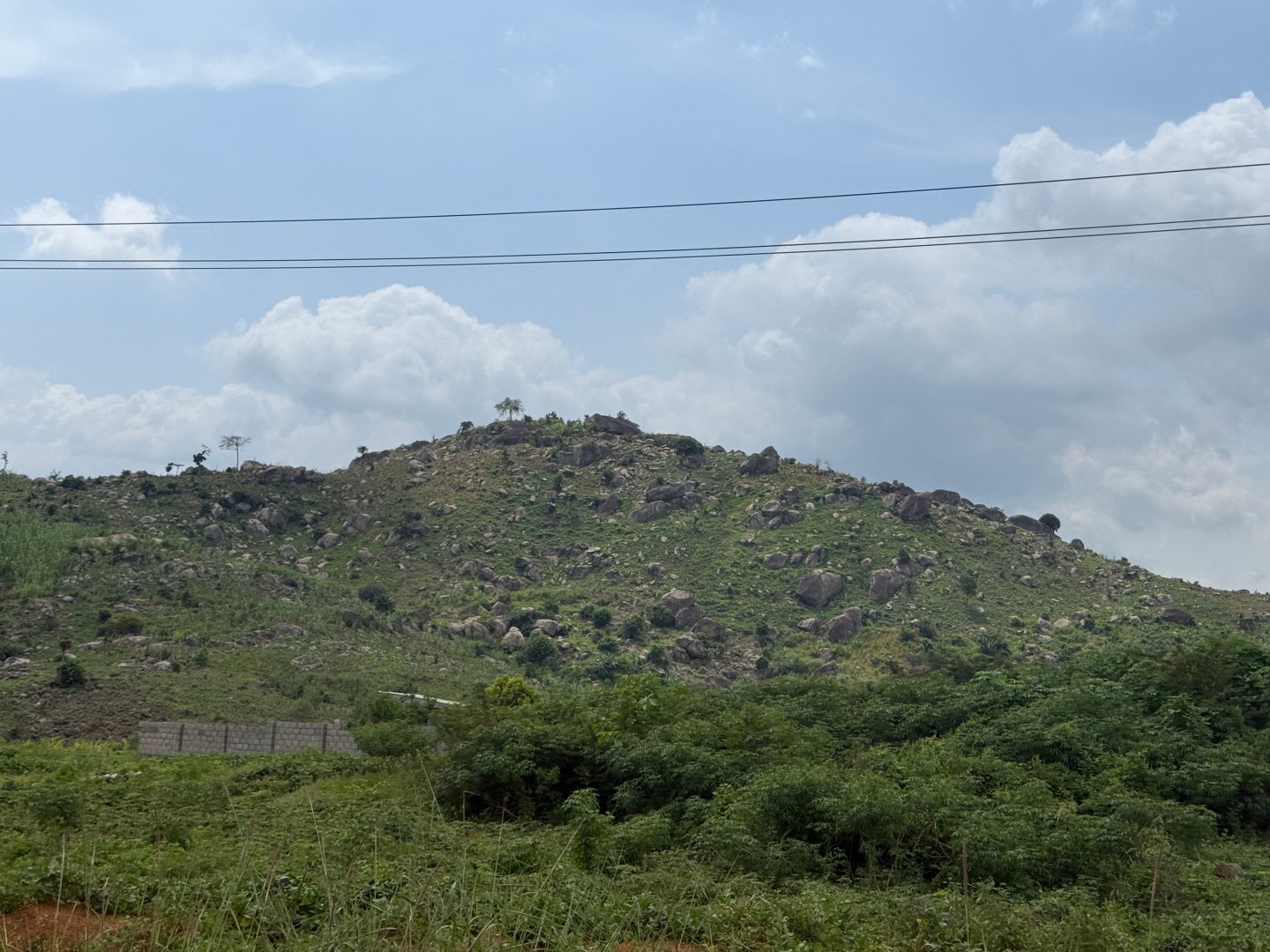
There is something about the wilderness that can be hard to see. When we read the Old Testament passages, it is right there and so obvious. The people of God being led through the desert for 40 years, and then our minds might be drawn to the different seasons some of the prophets found themselves in – King David in the caves and on the run from Saul, or Elijah and Elisha when they had their own wilderness seasons, perhaps even we can relate to what Jeremiah went through. The wilderness, when it is a wilderness, is so easy to define, and there moves to dependence on God, because it can feel like there are no other choices.
Yet the wilderness can take many forms. If you were to think of a wilderness experience, would you automatically consider a city? The times when the people of God found themselves no longer in Jerusalem but living in Babylon, Rome, and many other urban centres around the world. The exile was as much a wilderness for the people of God as their wandering in the wilderness. And that is the point: the wilderness experience is not simply about the place; it’s something deeper, something less tangible and often more real. Today, if we are in Christ, we get to delight in the truth that we are God’s people by faith – and nothing can change that – but we must also wrestle with the truth that we are still a people in exile, living out our wilderness experience:
“Beloved, remember you don’t belong in this world. You are resident aliens living in exile, so resist those desires of the flesh that battle against the soul. – 1 Peter 2
We live in this world, and yet in Christ we live knowing that this world is not all there is; through him, there is more to come. We live in this world, and yet in Christ we belong to another Kingdom; a Kingdom that we bring to life every day through the work of the Holy Spirit through us. Thus, we live in a place that we don’t belong to, but that does not mean we ignore the world around us; rather, that by the Spirit’s power and the King’s call, we live out the way of the Kingdom of God that is so distinct and challenging that it shows the beauty of Christ and the light of the Gospel. As Christian’s, part of our call in the everyday places we find ourselves in – the normal places we do life: home, community, work, and serve is to grasp that it is a wilderness, and then in the Spirit live a way that begins to transform it into the Kingdom of God. And, more beautiful still – this was always the call of the people of God, they had wandered in the wilderness to prepare them to live out the light of God’s love in a world that knew only the wilderness of sin:
“It is too light a thing that you should be my servant to raise the tribes of Jacob and to bring back the preserved of Israel; I will make you as a light for the nations, that my salvation may reach to the end of the earth.” – Isaiah 49:6
Yet ultimately, the people of God failed in their preparation in the wilderness, and in their call to be lights in the wilderness; yet it remained. God always wants his people to live in his grace and shine out his light, even when the darkness feels heavier and the challenge great. To people carried off into exile in a hostile city, God said through his prophet Jeremiah: “Seek the peace and prosperity of the city to which I have carried you into exile. Pray to the Lord for it, because if it prospers, you too will prosper.” Today, our call to live as light amid the darkness of our wilderness to show the love of God remains the same! How can we do it where the people of God failed? Because Jesus was strong where we are weak, and by Grace and through the Power of the Spirit, we live on His Strength and not our own.
2 He Is Strong When We Are Weak (Matthew 4:1-2)
Matthew’s Gospel loves to connect to Old Testament imagery. When you read through its chapters, you will meet so many moments that you might think “this feels familiar,” and that is the point – it is. Matthew is primarily writing to a Jewish audience, whom he wants to show is their long-awaited Messiah, so he writes in a way that connects to Old Testament imagery, then shows what it teaches about who Jesus is and how Jesus fulfils certain longings of the Old Testament. This passage is no different! John wants us to understand that Jesus succeeds where humanity failed. Because Jesus succeeded, we can grasp two things: Jesus is who he said he is, and we can continue in the work God has called us to as his people, not because of our strength or morality, but because of Jesus!
Thus, right after the baptism of Jesus and its symbolism of Jesus taking on our sin, and rising to new life, the voice of God speaks truth about the identity of Jesus: “This is my Son, whom I love; with him I am pleased.” This is the first time in his Gospel that Matthew has made a clear statement about the identity of Jesus and what happens next? Jesus is moved into the wilderness to be tested, where the people of God failed. There is no sense of time, no gap or period of preparation – Matthew makes a statement about the identity of Jesus, and then immediately we are told that Jesus was “led by the Spirit into the wilderness,” it was not that Jesus said, “Right now I am going to head into the wilderness here for some testing!” No, Matthew wants us to be clear that this was God’s doing and God’s timing. The reason – “To be tempted” Matthew has made a claim about the identity of Jesus, and a shocking claim.
We read verses like this in full knowledge of who Jesus is, or the claims people make about him, but imagine being a Jewish reader for the first time learning about Jesus. The imagery of the baptism, and teh claim of God speaking overtime but love and pleasure and giving him the title “My Son” which for the jewish people had messianic implications – it woudl have been shocking. Thus, to add to that shock and challenge Matthew give’s the readers mind rest as he shows how God moves Jesus into the wilderness for 40 days and nights (Symbolic of the 40 years of wondering) to be tempted in the wilderness. Matthew is making clear and explicit points: The move of God, the wilderness, the temptations and the temper, and the circumstances: 40 days and nights Jesus fasted in the wilderness, became very hungry, was at the end of his human strength, and then the temper came. Matthew wants our minds to be drawn to the exodus as we think of Jesus in the wilderness for 40 days! Why? Because where they failed, he was strong and proven. It is in the wilderness that Jesus proves for the first time his identity as God’s son, and that he will be Strong where we have been weak, and because he had the strength to endure, we can live out the call of the Kingdom by faith through leaning on him, as his strength is tested and proved in three ways.
3 The Pains of Hunger (Matthew 4:3-4)
Matthew wastes no time getting to the action; there is no lengthy description that sets the scene after the baptism of Jesus. We are told that God has spoken over his son, and then the Spirit has moved him into wilderness where for forty days he has fasted and become very hungry. Who would not be hungry at this point? Jesus has been in the wilderness for a significant time, and he has been practising that which would bring him into the presence of God and increase his dependence on the Father. Thus, we are meant to see this as the point in his ministry that represents the season of Israel’s wandering in the wilderness. Also, Moses fasted and prayed for forty days and nights (Deut 8:2-3, Deut 9:9), and Elijah (1 Kings 19:8). To fast was to focus on prayer and being in the presence of God. Thus, it was at the beginning of this period that the testing/tempting from the accuser/slanderer beings, and to the hunger of Jesus body at the end of a period of preparation for his ministry ahead, how did the devil test him? “Command these stones to become loaves of bread!” Do you notice what else the devil does? How he attached his proposal to the very identity that God has spoken over Jesus-“Do this if you are the Son of God!” Three verses before God had spoken this over his Son, and now, using it, the Devil tests Jesus to prove it in a way that seems logical enough. The devil tests him to act in a way that many of us would think seems okay and without consequence. Yet, Jesus knows the true intent of the one who appears to test him, and he knows better the will of the Father by the Presence of the Spirit!
How does he respond to the words of the Accuser? By the living word of God: ”‘Man shall not live by bread alone. Still, by every word that comes from the mouth of God.’” Jesus has every right as God to act as God, yet, in this moment he chooses to limit his action not because he is incapable, but because he was the represented of humanity, and of all who would believe in his name – thus in his humanity he was strong to “fulfil all righteousness” on behalf of his people. Furthermore, in his strength, he teaches us a means of being Strong in Grace, a means of sustaining our life of faith against all the tests and trials that will come, whether they are from the enemy or not. How? The first four words of Jesus response: “It is written!” We are a people of the word of God, because the word of God is the life of God, and the life of God is the way of God. Thus, Jesus responds to the tester by reminding him of the truth of God’s word and how it points to God’s way in the world that he has created. Again, as Jesus responds using Deuteronomy 8:2 here and in all the trials to come, he links his experiences to the wilderness wandering and shows how he fulfils where the people of God failed. Even the pains of hunger at the end of human strenght cannot cause our advocate to be distracted form the course God had set him to take.
5 The Temptation of Power (Matthew 4:5-7)
We are given no time to rest, no moment to consider what has just happened as Matthew records the next test. Whereas at the beginning it was the Spirit of God that moved Jesus into the wilderness to test him, now we are clear just who is exerting pressure in this moment, as we are told the Devil takes him to a viewpoint that gives them a great vantage point over the City of God, Jerusalem. There at the top of the temple, Jesus can both see the city of God, and perhaps the city of God can see the figures there. Why are they there? To test the heart of Jesus in the pursuit of power, as the Devil tempts him to use his power and majesty to make the trials that are ahead easier for himself. Notice again how the test is couched in terms of an identity with heaven and the invitation: “if you are the Son of God, then…”
Have you noticed what else has changed as the tester has adapted to the challenge before him? Jesus resisted and stayed strong in the test of hunger by quoting the word of God and remembering its instruction in the way of God, and now the devil is doing the same to try to nudge Jesus into something.
He does not just say, “If you are the Son of God, then do this!” No, he adds, “For it is written, He will command his angels concerning you… ‘On their hands they will bear you up, lest you strike your foot against a stone._” The devil knows the word of God, and is willing to misuse it to advance his purposes in the world, and perhaps even in the church. It’s a quote from Psalm 91 about God’s protection over his people, and the devil chooses to misapply it to the situation before Jesus. The word of God is the life of God and the revelation of the way of God, but we must always be mindful of how it is used in the life of the Christian and the Church. Just because someone quotes Scripture to justify a choice or act does not mean it is from God.
Jesus responds by using scripture to correct the misuse of scripture, for it is written: “‘You shall not put the Lord your God to the test.’” Again, quoting from Deuteronomy to counter the lies of the devil and stay stead fast in the challenge and test that was put before him. The devil had sought to tempt Jesus to make the road before easier; he had offered him something simpler than the Cross in making known his Sonship and Lordship, yet, Jesus knew that the Father’s plan was always the Cross, and on his way to it, to proclaim the coming of the Kingdom by repentance. He knew no shortcut could suffice for the task that he had been given; he was faithful before the weight of our Sin because we could never be.
6 The Temptation To Rule (Matthew 4:8-10)
There is no time between tests as the devil moves Jesus from one viewpoint to another, and on this one, he can see all the known kingdoms of the world. There, as they stand, Jesus can see before him the pinnacle of power and rule in the earthly sense, as the temptations have moved from the personal to something more universal. As the beauty and Splendour of man’s attempt to build Kingdoms is displayed before the Son of God. Why? He is offered it by the tempter, who makes an astonishing and simple offer: “All this I will give you, if you bow down and worship me.”
The one who was called to gather all people to himself under God, to be the means by which people of every tribe and tongue and nation would be united under the throne of God by the Cross, is offered the means of doing it by an easier road and means. What must he do? Achieve the same end under a different banner, the ruler and prince of darkness and this world. It is a shortcut! Jesus knew that before he would be seated on the throne of heaven before the gathered people of God form every nation by faith that he must be crowned on the Cross for the sins of the world. Yet, here the tempter offers him an easier route, a simpler choice by giving up the will of the Father and recognising the authority of the accusers. The image of worship here is one of recognition, not simply of worship as we understand it. The tempter is not asking Jesus to sing songs of praise to him every day, but rather in giving up the will of the Father to recognise and trust a different authority, to be obedient to the will of the tempter and to recognise his rule. Indeed, the same word for worship here is used in Matthew 8:2 to describe someone who takes the knee and bows.
Satan offers Jesus a different choice and way to save humankind apart from the will of the Father and the way of the Cross, as the tempter is convinced of his own power, and perhaps has not even grasped the authority of the one who stands before him. As one last time Jesus responds: ” Again it is written, You must worship the Lord your God, and serve him only.” (Deut 6:13). Jesus may be weak, but he is only ever strong as the devil is both dismissed in his ignorance and will by the Word of the Son of God who reminds us of the simple truth – there is only one who is worthy of our worship! The God of heaven and earth! Worship of God is not simply a choice because it’s a nice thing to do and a good thing in our lives; it is, by its very act, a recognition and tangible demonstration in the world of the Rule of God and His beauty to us and through us. We know God through the word of God, we are sustained in the way of God by the word, and we worship and live for him via the means of Grace revealed in the word until the day comes when he establishes his rule and reign fully.
7 Conclusion | He Is Worthy of Our Worship (Matthew 4:11)
When the wilderness testing was over, when the hunger had pressed, and the shortcuts had been offered and refused, what remains? Matthew tells us simply that the devil left him, and angels came and attended him. There is no applause, no spectacle, no visible triumph – just quiet faithfulness. The Son has been tested, and the Son has been proved worthy! Not proved by any scale this world will understand; he is not shown to be powerful in the way of the world, no, he is proved worthy of the Kingdom and its way. The Tempter has tested him and proved him obedient to the will of the Father, and the way of the Cross. , this is where we must re-centre ourselves this Lent, and in every season to come: our identity is not in how well we resist temptation, nor in how impressive our spirituality looks in the wilderness, but in the One who has already stood firm where we fall – He is the faithful Son! The one crowned on the Cross for us and because of us, and that is why he is the worthy King, and the one whom we worship.
Here is the beautiful thing, because he is worthy and proved we known that in every season we are in and everything we face – our wilderness is not wasted. We do not live in our city merely surviving cultural shifts, political tensions, or ecclesial uncertainty. Nor are we called to protect comfort, nor to preserve something because it once gave us power or control. The truth is, comfort often dulls us to the will of God and the beauty of the Kingdom; wilderness awakens us. The Son was not sent into the desert to secure convenience, but to embrace obedience. And so for us: the call is not retreat, but witness to his Rule and reign as we bow the knee in worship to the worthy one. Nor is our way simply survival, but faithfulness by his faithfulness. In a world marked by brokenness, we are called not to dispel the darkness by shining with the steady light of the Gospel and our identity in another Kingdom. He is worthy of our worship; and today we see worship is not merely sung; it is lived.
7.1 By the Word (Matthew 4)
Three times in this passage, we hear the same refrain: “It is written.” In the face of hunger, in the face of spectacle, and in the face of power. Jesus does not argue creatively, nor does he invent new revelation; he stands within what the Father has already spoken! It is so simple, it is beautiful, and so obvious we might miss it:
- The word of God anchors him,
- The Word of God sustains him,
- And, the Word defines him as it reminds him of the way of God in the world.
When the tempter twists Scripture, Jesus answers with Scripture rightly held and rightly applied. He does not simply quote verses as defence; he inhabits the story of God so fully that the lies of the wilderness cannot misdirect him; he knows the word because he is the word. We have life in the Word by his word proved on the Cross.
This is where Lent presses in on us: If the Son of God met temptation not with spectacle but with Scripture, then what of us? We are a people saved by the word, so we must be a people formed by the Word. The Word of God is not decoration for our services, nor a slogan for our statements; it is life itself in all seasons and matters of life and living, not simply when it’s convenient. In it we remember what is true when comfort whispers otherwise; by it we remain steadfast when our strength is thin, through the Grace of the Spirt; and, in it we learn to resist shortcuts and to refuse misapplied promises that seek to distract us from the call of God upon our lives and this church. Word-saturated endurance is not dramatic, but it is powerful, as through it the Spirit keeps us facing the Cross rather than avoiding it as we live out the way of the Cross to the Glory of God in our ordinary lives.
So as we walk through this Lenten season, we do not simply admire Jesus in the wilderness; we follow him and cling to the Word that sustained him, allowing it to shape us into a people who endure for the glory of God. In our city, in our ordinary days, amid hunger, pressure, and the temptation of easier roads, we stand on what is written – and by it we contend for the Kingdom, because He has already been proved worthy.
 Atr Irwin
Thank you very much brother.
LikeLike