Faith Forgotten in the Wilderness (Introduction)
Archbishop William Temple once said, “When I pray, coincidences happen. When I don’t, they don’t.” It is something so simple that is profound, isn’t it? Have you ever had that sort of experience or realisation? Praying for something and seeing it happen when it seemed unlikely. I don’t mean those mega moments of prayer when we are holding life before God and ask him to move; I mean those small moments when a prayer is answered, and we are not quite sure if it was the hand of God or just good timing. This is not so much about whether God answers prayer; the bible is clear in that God always hears the prayers of His people and always answers – it just might not be the answer we are looking for. I am talking about those smaller moments when, when we give them over to God, something seems to happen that just reminds us of God.
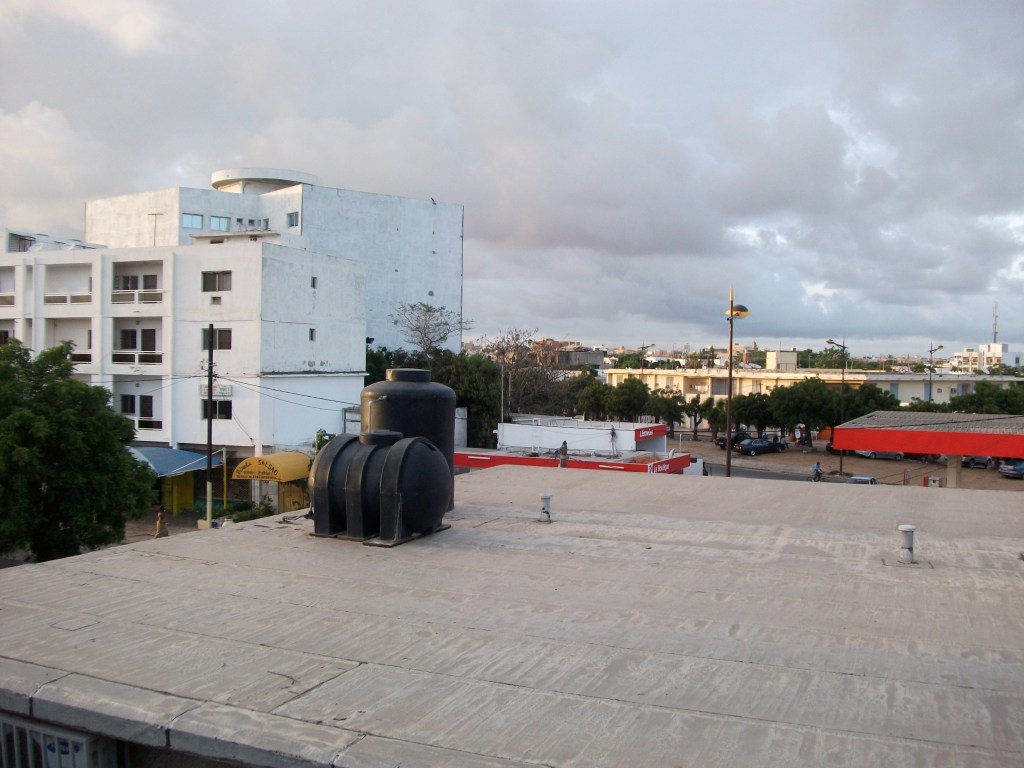
I remember in 2009, on my first excursion without family outside of the UK, being part of a small mission Team operating in Senegal. We had been in the far north of the country in a little village; we where making way to Dakar for the final few days of our trip, when the van that was carrying most of our team decided that it needed a break, the only problem being that we where in the middle of nowhere; we had been on a tight timescale, and after being told it would take 2 to 3 hours to get another vehicle able to transport us, we sat down under the shade of the one tree we could find to just wait. At that moment, we sort of hesitantly prayed that God might do something as our other vehicle drove round down the road and out of sight to find us more transport. Yet, as quickly as they were gone, they appeared back, and we all thought: “What is wrong now!” Then, a few moments later, a van came trundling after it, with enough space to take us where we needed to be. A van that was actually returning to the capital, Dakar, and the driver and his crew had stopped for a few hours’ nap! A coincidence or an answer to prayer? When we pray, do we think God will answer us, or do we do it despite our heart rather than because of it?
Much has happened in the intervening chapters of this story: God has heard the cries of his people, sent a messenger to speak on his behalf before the God-king, and then shown his power as he mercilessly laid waste to all that Egypt held as powerful and divine, with ten acts he laid waste to the notion of Pharaoh’s power and the weakness of his people. He declared that they were his, and finally, when God allowed it, Pharaoh let his people go to God. The people of God cried for rescue and then watched as, through Moses, God heard their cry and began to fulfil the words that Joseph had spoken on his deathbed: “God will surely visit his people to bring you back to the land of our fathers.”
It was by their blessing that they suffered, and through their suffering that the Lord had enacted his plan of redemption to bless them even more. God heard their prayers and rescued them, and they saw the fullness of God’s power on hand again and again as He led them out of Slavery and into the beginning of their freedom. Just in case they were not sure of God’s power that had led them out of Egypt, they watched a Sea divide before them as Moses led them to the other side and freedom; then that same sea came down in one final judgment upon their enemies. You would think that after all of that, and the 10 plagues, the providence of Moses and his leadership, and being spared on the night of judgment – you would think that after all that, these people would be in no doubt that God is with them, hears them, and will answer their prayer. Yet today, as quickly as we remember, how soon we often forget: we become like children who are joyful one moment and then throwing a tantrum when we have to share. We believe the lie that blessing means comfort, or that life with God means somehow God protecting us from the reality of a broken and sinful world before his work is complete. The people of God have been rescued and only begun their journey into freedom, and understanding of freedom and the only thing they can or should be sure of is the goodness of God! Yet, with their first steps into the wilderness they seem to forget that God was stepping into their experience and moment with them as their hunger makes them question all that God has done for them and his goodness: “If only we had died by the Lord’s hand in Egypt!” Imagine even saying this after all they seen the Lord do for them, and all they had suffered at the hands of the King of Egypt since Jospeph had been forgotten. You see, the wilderness exposed what was in their heart; the wilderness made known what comfort had been hiding, and are we any different as disciples?
How easy it is for us to look back and celebrate God’s past salvation and work in our lives and through us, yet struggle to trust his present provision when we feel the prick of discomfort. How easy it is to trust our own strength or old idols when we think God has forgotten us. As we stop looking to him when times get tough or when what we have begins to run low, we begin to ask: “Who shall provide for us?” Why? Because the memory of Slavery and Sin still haunts us even as God sanctifies us.
1. The Memory of Slavery (1–3)
Memory is like a muscle, isn’t it? Because of what has been, we end up doing something without even thinking about it. I remember in the weeks after my grandfather had passed away, still finding myself turning to go to the house as if he was still there; the memory of what was still shaped what is, even though I knew it was no longer. We might be saved from something, but it takes a long time for that something to no longer shape us. The Israelites where no longer slaves, they where free people – but that does not mean they could flick a switch and suddenly stop thinking like people ensalved, it was all they had ever known – none of the people that Moses lead through the read sea remember life under Jospeh or even before: Hard labour, brick making, building store cities, and labouring intensively in the fields, under the constant threat of death and punishment – that does not just leave you, it reshapes how you see yourself, the world, and the life you lived. Thus, because their first steps into freedom were steps through the wilderness, suddenly slavery does not seem that bad! Why? Because at least they knew what life would be like; they were “like an ignorant child who wants to go on making mud pies in a slum because he cannot imagine what is meant by the offer of a holiday at the sea. We are far too easily pleased”1
1.1 The Wilderness of Want (1)
Israel finds itself in the wilderness about a month after moving on from Egypt; the life they knew in all its brutality is no longer theirs to live, yet freedom is not as easy as they thought it would be. The journey ahead will be difficult, and suddenly, with each step they take into the future of what could be, the reality of what was does not seem that bad. Why? Maybe because change is hard!? We like the idea of change, the notion of freedom, until we set about on the journey to get there and face the reality of its cost. Thus, in unison, the whole people of God complain against God and Arron in the wilderness; they are not happy with their leadership! Why? Because “we had all the lamb stew and bread we could eat” – they might be free from oppression, but their freedom has lost them access to the most basic of supplies, and for some reason they doubt the God who controlled seas to bring them to this point can provide for those needs they long for. Yet, even this lack is part of God’s work and plan in their life – he is exposing their heart to transform it; he is revealing their dependency to remove it. Wilderness wandering is not proof that God has abandoned them; it is the place in which God works, where he forms us. Like climbing a mountain to see the view, it is in those times when we trudge through dark valleys and muck, and think God is distant, that perhaps he is working most.
1.2 The Lie of Egypt (2–3)
Isn’t that always the way, though? In the pain of moving on from something and how it forms us, we begin to misremember the pain of what it was. I remember talking to someone in the weeks after a difficult period of their life had ended. It had been their life for years with lots of tears and difficulties, and as we chatted, they suddenly expressed doubt about their decision, as the pain of change made them long for the comfort of what was, even when it was uncomfortable.
For the Israelites in these early days, the threat of lack and the possible pains of hunger have caused them to suffer from selective memory, as suddenly Egypt was not that bad, and somehow has become the good old days:
“Do you remember when we used to get home after 14 hours of hard labour, and we would have a whole pot of Lamb Stew and plenty of stale bread – wasn’t that great!…. Then Moses and Aaron had to come along!!!”
Never mind that Moses and Aaron were an answer to the prayers of a suffering people longing for freedom, nor the fact that they had seen the power of God humble the greatest nation through the hands of these two men. No, it was the fault of Moses and Arron that the wilderness was hard, so they grumbled against God’s appointed and anointed as they remembered pots of meat stew and forgot the taskmasters, whips of oppression, and their cry for rescue. – The whole community grumbles against Moses and Aaron. Yet, to complain against Moses as God’s servant and leader is to complain against where God is leading and doubt his plan.
It is easy for us to sit, read, and think how poor of them after all that God has done for them! Yet, how often do we end up doing something similar? We miss the life from which we were saved and the sins that sustained us, and consider dipping back in. Even in matters of faith and church, we can long for the good old days and somehow assume the present state of how things are in our fellowship and culture is a sign that God has moved on; rather, we see it as the moment in our journey in which God is at work and calling us to serve him. There are no good old days, there are only the days God gives us and ours is to trust that he is with us as he has given them to us.
2. The Grace of God Revealed (4–12)
Where the people of God remember better times and now see only pain, as they grumble to Moses, they think that there is no hope. Why? Because they have experienced the wonder of Grace, but they are still to be grasped by it; they are still to think with it and see the world through it. Grace is not a momentary thing, nor is it something that we only get a glimpse of. When God pours out Grace, we will struggle to ignore it, because it just keeps on coming into our lives; thus, to the grumbles of grumpy Israelites, God shows Grace. Moses does not even seem to need to go to God to intercede or figure out what to do; the Lord has heard the cries of his people, and to their memories of having lots of bread to eat, God has both rebuke and Grace: “I am going to rain down bread from the skies for you.” When God’s people doubt Him, He still provides and guides them; when they don’t have enough bread, grace will pour from heaven.
2.1 Bread Before Obedience (4–5)
How would you respond to the people’s grumbling if you were in the shoes of Moses? You have just rescued them from generations of bondage and oppression, crushed their enemy without an army or weapon at your side, and split an ocean to lead the people out. After a few days in the wilderness, they are questioning everything you have done, and the God you have done it on Behalf of! I don’t know what I would say if I were in Moses sandals, yet it is God who responds first in Grace and rebuke. Even as the people have questioned his goodness in having responses to their prayers, God still provides before he rebukes. If a child is hungry, a good parent will feed them, even if they have been rude or cheeky. The provision of the Bread from heaven is grace upon grace, not a payment made for something, because let us be clear: in this moment, the people of God have sinned against him, and they must learn a lesson about the Goodness of God and His Glory, but before the lesson comes provision in Grace. For five days of the week the Bread will pour from heaven, and the people of God can gather all that they need. Still, on the sixth day things will be different because the Lord wants to know his people are following his teaching to “remember the sabbath and keep it holy,” because on the night before he will provide double the amount. It is their duty to trust his provision for the day to come. They are to take what they need. What is the test? Simple, really – it is about trust. The Daily raining of bread and the double portion on the day of the Sabbath are both a daily reminder of the provision of God and the Grace of God in the wilderness; then a test to trust him there. Will the people of God trust God enough to provide in the wilderness and live by faith – one day at a time?
Life is not just the sum of what happens to us or where we find ourselves, is it? It is how we respond in those moments. Thus, God’s test to the people is how they will look to him in those moments: as the bread rains down from heaven in the wilderness, will they receive it with thankfulness and in worship to the goodness of God in that moment, or will they consume it without a thought for the one who provided it? The wilderness is not a sign of the lack of God; it is simply the place God has for us, so either there we will trust him and be shaped by his will and way as we give thanks and worship him – or simply stumble on. Why does it matter that the people of God respond in Thanks there in the wilderness? Because if they do not remember the one who provides, they are hardly going to be mindful of the call upon their life to walk in His instructions.
–
2.2 Grumbling Against God (6–8)
Their leaders have heard their cries but, more importantly, have heard God’s clear voice in response to the people’s grumbling, and where they have sinned, Moses and Aaron chose to remain steadfast and humble by not making it about themselves. They do not pretend to have interceded before God for his people and thus brought about some deal or provision – they bow out as they tell the people whom they will soon remember. Soon they shall remember that it is God who has brought them out of Egypt and not Moses and Aaron; thus their complaints are not against Moses and Arron but against the God of heaven. The people’s vision has been too human and short-sighted, as the pains of the wilderness have left them thinking that somehow Moses and Aaron did this, but as they are addressed, they are told they will remember by the evening, and see the Glory of God come among them in the morning, and then they will see that their complaint has been against God.
Here the servants of God point away from themselves and this momentary situation to the deeper issue: will the people of God continue to trust the goodness of God that has rescued them and brought them thus far! By evening they will be reminded of God’s provision and goodness not in the retelling of the things he has just done. Still, in his current provision as bread falls for them, and by morning they will see his Glory not in the provision of things but in a tangible and weighty way. Then they will have the choice to trust and follow.
2.3 The Glory in the Wilderness (9–12)
Moses calls Aaron to gather the people of God and to make them ready to meet their maker: “Come near to God, He’s heard your complaints!” God has responded to the calls of his people, but that does not mean they were right to grumble or gripe; indeed, now they must give an account of their heart and actions before Him. Moses told them that they would see the Glory of God; thus, even now we see Grace as God appears before his people not in the fullness of his presence, for that would wipe them from the face of the earth, but in the cloud, because it’s the only tangible way a sinful people can glimpse the Glory of God and survive. Why does God appear in His Glory? It is not simply to hold court because God can hear from anywhere, but again a movement in Grace to a wilderness-weary people. His presence reminds them that the wilderness is not empty of the Presence of God; he is always with us in the fullness of His glory, mercy, and goodness. Indeed, by his mercy and goodness he sees, hears, and knows our every need. Practical needs he meets in the provision of bread and quail to a weary and grumpy people. In our wilderness moments and dark valleys, we too can trust that God is with us, sees us, hears us, and is providing for us.
3. The Gift of Daily Bread (13–21)
The promise of God is now made visible before the people of God, and their grumbling can be no more. If you ever needed a visible display of the providence of God, then there is no better image than this, for as the sun sets on the day, dinner descends from above: Quail come up where the people of God were and covered the camp. Then, just in case the grace of God was not enough in the evening, as the Morning sun rises and Dew drenches the ground, something is left as the Sun warms the day. Then, when they can see clearly, they are not quite sure what it is they are laying their eyes upon; in the morning, dew lies around it. When the dew lifts, there is something left upon the ground: something fine, flaky, and strange—like frost upon the earth. The people see it and ask one another, “What is it?” They do not recognise the provision of God when it first arrives; thankfully, where their grumbling blinded them, the faith of Moses can lead them, as he declares: “It is the bread the LORD has given you to eat.” Sometimes I think God has a sense of humour, as the people of God had grumbled that Egypt gave them bread and meat; now Yahweh gives them meat in the evening and bread in the morning; his Grace is provision and the way he does it is quite humorous, Egypt feed them to work, God feeds them because he cares for them, not simply to meet a need but to make known he is the God who provides for His redeemed people in the wilderness.
3.1 “What Is It?” (13–15)
There is something beautiful about this moment of Grace as it unfolds before us, and how God gives this provision its name. Something beautiful about the question that gives manna its name: “What is it?” They had grumbled about the resources they had before them, and God heard and provided! Then Israel sees God’s provision literally, but they cannot quite figure it out because it does not look like what they expected. Perhaps they wanted the easy option from their prayers – that God would drop a ready-made loaf before their tents each day, with some honey and butter. Yet, what is before them is the means to eat, not simply a ready-to-eat meal. They must gather what God has provided for them, then prepare it in keeping with his will and instructions. God always answers the prayers of his people, and always provides; yet, it might not look like what we expect! Are we any different today as we pray for God to act, to provide and then, when He answers and it does not always arrive in the form we had imagined, it takes us a while to realise- maybe even hindsight to process his provision? Sometimes we might not even see the work of God around us because it comes in those small ways we forget to give thanks for: the support of a friend, perhaps even the act of a stranger, the mundane kindness of our local church, or that nudge of the Spirit to keep going when we are not sure if we even have the strength. We look and do not recognise it; we might look back and even think ” What was it?” Yet Moses’ words and faith teach us how to see rightly and trust daily as he recognises that God has indeed answered their prayer: it is the bread the Lord has given. Yet, it’s not really about the bread, is it? It is about trusting God as we walk in this world with him, even in those places of wilderness. The question is not whether we recognise the provision immediately; the question is whether we receive it with trust when God makes known that it comes from Him.
Joseph said that God would visit his people and bring them back to the land of their fathers, and now they were learning that meant not just freeing them but leading them there and caring for them on the way as he readied them to become a nation. Why? Because he made a promise – a covenant – with the Father of the nation, and God keeps his word with His covenant people.
3.2 Enough for Every Household (16–18)
The gift of God for the people of God comes with instruction from God: “This is what the LORD has commanded.” Moses informs them that each person is to gather as much as they need- a measurement for every person in their tent and no more; they are to take simply what they need for the day and trust that tomorrow’s provision will come. The bread is given freely, but not without purpose, as God teaches His people how redeemed people live in the wilderness and depend on Him: receiving from Him, trusting His word, and walking by faith, making sure everyone has just enough and no more. Why? Because trusting God today means trusting him with tomorrow; to take more than was needed was to doubt whether the same provision and Grace would come – God keeps his covenant daily. Here is the beauty of it. Yet, when it is measured out, the one who gathered much has no excess, and the one who gathered little has no lack. No one is left without bread because the provision of God is sufficient for the people of God as he leads them through the wilderness he has brought them to. Life with God is covenant-sufficiency, because life depends on God.
This is not a vision of self-sufficiency; it is a picture of covenant sufficiency as the people of God learn what it means to walk with God, depend on God and trust God – as they unlearn Egypt. We do not manufacture their own salvation or sustain it by our own work and strength; all things are gifts from God and sustained by the grace of God. They receive what God gives, day by day, and they receive it as a community, as the daily bread belongs to the whole congregation, not merely to those with the quickest hands or strongest bodies, because God cares for all people in the body and wants them to have equal access to his way and Grace. Something that we see so beautifully and clearly throughout the life of Scripture, and indeed Paul captures the same heart of God as he writes in 2 Corinthians 8: “The one who gathered much did not have too much, and the one who gathered little did not have too little.” The grace of God received by His people must shape the generosity of God’s people toward one another in Christlikeness and by the Spirit; no matter the resources we have among us, we are to use them as if we trust God for tomorrow.
3.3 Trust for Today (19–21)
Having given His people bread and shown them that there would be enough for everyone in every household, Yahweh now moves to the deeper lesson – what it means to live by faith in the normal of each day. Moses gives an instruction that seems so simple, yet it aims to teach a deep lesson: Don’t keep anything that God provides until morning; it must be used in the moment. It is an instruction that seems hard for us to hear and understand, yet we forget this is more than teaching them to trust; it is about helping a people unlearn their Egypt moments. Think about what life was like before the Manna, for a people who have spent generations living in fear of the next day, surviving and perhaps wondering, will there even be enough food for their household? Life was lived under the threat of the next shortage, the next punishment, and the next day of survival. To trust God day by day is to unlearn the perils and dangers of Egypt by resting in the Goodness of God. Yet, there will be some who cannot let go of what was, and trust what God said will be – so they hold some back for the morning as if the God who had provided bread today might somehow fail them tomorrow. Even in their sin, the Grace of God is clear as he teaches them to trust and look again – yesterday’s manna has been spoiled because it was never simply about the bread to sustain; it was about faith to form the people of God for the work of God when they get through the wilderness and to the promised land. This is not a command against being careful with the things God has given us, or seeking to be wise: It was a particular lesson for a particular people in their wilderness, but a lesson for us all: will they trust that the God who has rescued them is also able to sustain them, one day at a time?
Thus, as the sun rises on each new day, the people are to begin that day with trust in the word of God and thankfulness for his provision by gathering according to their need. God calls them to trust him with today and worry about tomorrow when it comes, because we cannot secure our whole future through provision given only for this moment. Trusting God each day sounds easy to say, but if we are honest, it is where our struggle and faith become most difficult. We want more than enough, not just enough! We want to know what is coming on the road ahead; we want to know the challenges we will face and how we are to overcome them, because if we know and are strong enough, then we never have to depend on God; and that is not how the journey works. To walk with God means trusting God with every step, not at certain checkpoints. The Lord so often meets us with grace for today and calls us to return to Him tomorrow because he alone is the best thing for us. The daily manna teaches Israel that the God who saved them from Egypt will not abandon them in the wilderness: he had brought them there to lead them through it. And, perhaps above all it adds weight to that prayer Christ taught us: “Give us today our daily bread.”
4. The Gift of Rest (22–30)
Even the restriction that God gives in terms of his provision is a gift to his people. His daily provision was never simply about getting Israel through one more day in the wilderness wondering; he wants them to know how to live, to be formed as a people distinct from the world around them because they are modelled after Him. In a relentless world, the greatest gift God wants to give his people is not just food but knowing how to rest, and rest in him. Egypt shaped them to believe that life depended on doing, moving, and scraping to survive and provide for those in their care. Yet, God is forming a different kind of people, a people who learn that His provision is sufficient not only for their work, but also for their rest. They can be a people who rest because they trust that he will provide – the manna now becomes a lesson in Sabbath.
4.1 Double Provision (22–26)
The lessons of the manna are not over, because when the sixth day comes the people are instructed to gather twice as much of what they need and then prepare it for both the day they are in, and the day to come. The leaders of the community were not quite sure what was happening. So Moses explained to them that it was no accident, or a randomly abundant day – it was the provision of God, preparing His people for “a day of Sabbath rest, a holy Sabbath to the LORD.” The sabbath belonged to God, so by preparing on the day before, the people were free to rest, worship and abide in him. On the sixth day they are to do the work of preparing it, and then keeping it for the Sabbath, as God stops it from spoiling. Why? God was teaching his people an even deeper trust: to keep the rest for the following day, and in another beautiful act of grace, the manna does not spoil as it had before. The God who had trained them to trust Him with each new morning now teaches them to trust Him enough to stop, because He wants His people to enjoy His presence. To rest is an act of defiance against the ways of Egypt as we declare that God is God, that we are His people, and that we will not be conformed to the ways of the world, or allow the world to conform us to its own standards.
4.2 The Sin of Refusing Rest (27–30)
Yet, even then, some people just can’t quite grasp the instructions of God as the seventh day comes, and they go out searching for what God said would not be there. They look, and they find nothing because that was not the purpose of this morning; the sabbath was for worship, and God had provided the food the day before. Yet, old habits are hard to kill, and the people of God are still being weighed down by the fear that shaped their experience in Egypt – the fear of what if! What if we don’t have enough? What if God does not show up? They cannot quite let go of the fear that there will not be enough, and they cannot quite believe that obedience to God will lead to the fullness of life. They are still learning, but even when we are unsure, obedience is better than letting fear win, as the Lord’s response makes the heart of the matter clear: “How long will you refuse to keep my commands and my instructions?” Sabbath is not an optional extra added to the life of faith after the important things have been done; it is part of how a redeemed people learn to live differently from Egypt in the wilderness of our Egypt – it is a radical act of defiance that makes known the hope of Christ in a restless world. Egypt had demanded more bricks, more labour, more production, and all that they could give – worship and rest were not an option. In the freedom that God gives, he gives that we might enjoy him and know him – not simply serve him. There is none like him, and nothing like the life he gives his covenant people – he is not Pharaoh!It is good to remember that in our own restless world, where we can fall to the lie the our worth is measured by our output and our future is secured by how hard we work. God’s rest confronts the idol of self-reliance and calls us to trust that His provision is enough, and reminds us that in Christ we are worthy.
5. The Bread Remembered (31–36)
Finally, there is something beautiful about the detail of this bread we have heard so much about, something that shows us so much about the heart of God. The manna we are told is white like coriander seed and tastes like wafers made with honey. Why does this matter? Because it is a small reminder about not just the provision of God but his heart and goodness; He does not simply give plain, tasteless bread, even stale bread, to keep his covenant people alive – he gives the best with goodness. Then Moses commands that some manna should be kept for future generations, so that when children and grandchildren ask how their fathers and mothers survived in the wilderness, they would have a visible and historical reminder of the goodness of God who provided for his stubborn people at every step in their wilderness formation. We are only one moment away from loosing sight of what God has done; so God gives them a visible reminder of His grace: this is what the Lord gave us when there was no food, no field, no harvest, and no way through except Him. Indeed the final word of the chapter shows just how marvellous the goodness and provision of God is as we are told Israel eats manna for forty years until they come to the border of the land to which Joseph told them they would return. Day after day, week after week, month after month, and year after year: through every step in the wilderness and every difficult place they would traverse, the God who rescued them from Egypt sustains them until He brings them to the land He promised. How good is our God? So good that he does not do things to half measure; what he starts, He finishes! He provides, He preserves, and He completes what He has promised so that Glory might be brought to his name.
6. The Bread of Life (Conclusion)
So, then, in our Egypt moments and our wilderness experiences, we are perhaps asking the same question: Who then shall provide for us? Exodus 16 gives us the answer simply and boldly: the Lord shall provide for His people, and we are those who know the fullness of that provision in Christ. He provides bread in the wilderness, grace for each day, and rest for those who trust in Him because Christ has done what we could not. As wonderful as manna was in the wilderness, it was never the fullness of GOd’s provision; it was a sign of the better thing to come. It sustained only for a moment, but God would provide a bread of life from heaven that would sustain us for our eternity and life with him. That is what Jesus is getting at when he says of himself in John 6:
“I am the bread of life. Whoever comes to me will never go hungry.”
The Father has given His Son, so that we might know the fullness of life and his presence. In Christ, God has not simply sent us provision from above for the journey ahead; He came amid our wilderness so that we might come close to him. That is what matters most as we conclude our thinking today because Egypt still speaks to us today, it still offers us false hope, and tries to ensalve us in its snares: We may not be making bricks but we do know the pains of Egyp: sin that promises comfort and leaves us empty, the endless striving that leaves us tired and empty; and the fear that makes us store up what we have because we do not trust God with tomorrow. Yet, there is nothing that can now hold us in bondage because Christ has come to lead His people out, and upon the Cross He opened up the promised land and the presence of God that we might know the fullness of life. Therefore, the choice is ours: Egypt or the fullness of life in Christ! Today, may we receive the grace God gives and rest in the provision of the One who has saved you by his Cross. May we feed by faith on Christ, the Bread of Life, as we walk this wilderness journey, bringing glory to God by trusting him and living out his word until our wandering is complete and He brings us finally home.
- CS Lewis, Mere Christianity ↩


Leave a Reply