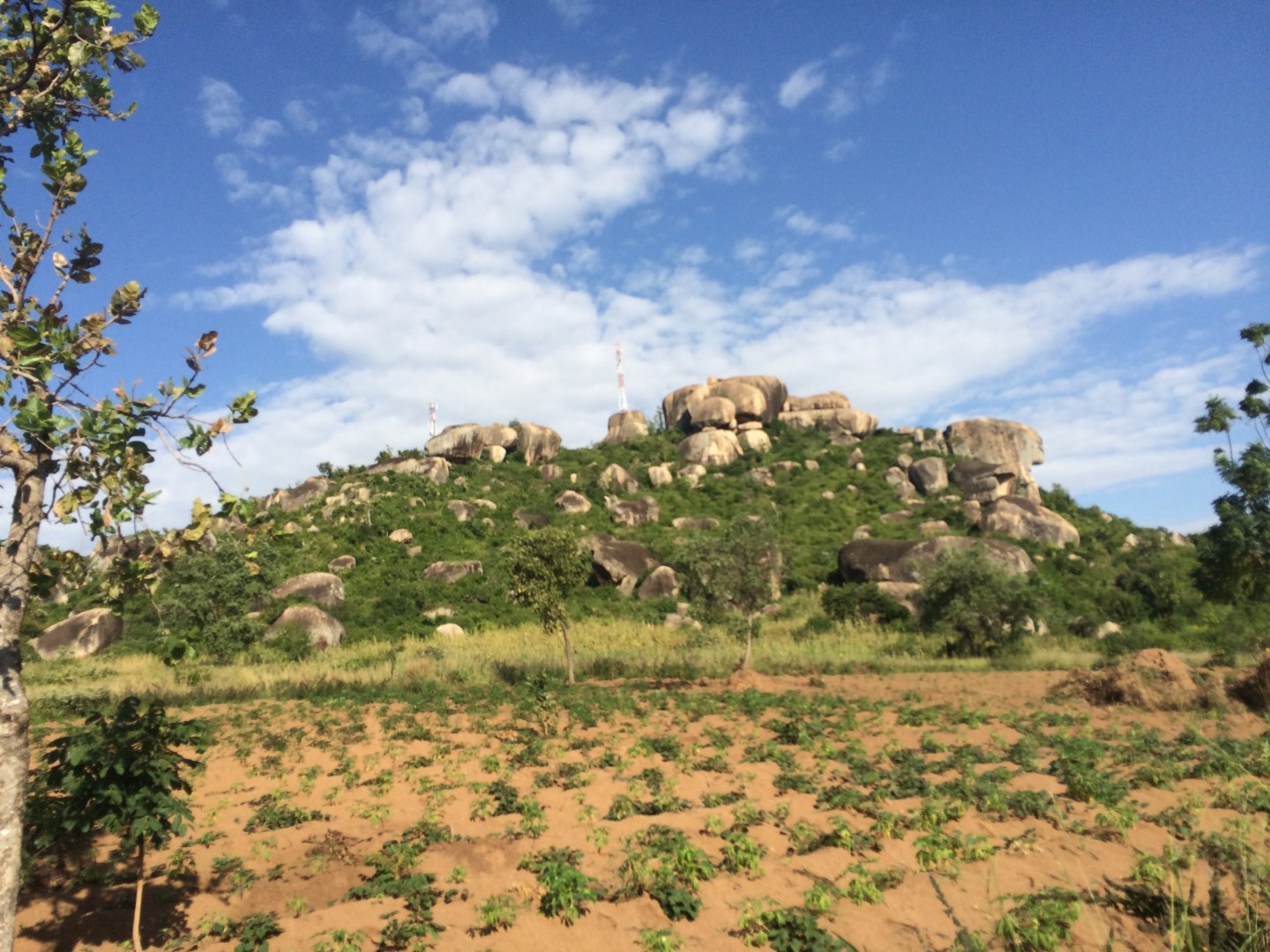
The memory of perfection is long lost, as the acts of Eden have rippled through the world and human history devastatingly. Eden’s goodness and perfection have no longer been forgotten; it has never been known. Sin has corrupted everything in the world: the ground from which the Lord provides, the animals people have been hunting to eat, and the water that people have been drinking from. Everything is not what it is supposed to be, as the devastating effects of the actions before the Tree in Eden are felt in every action and every relationship. Not only is the world corrupted by sin but humanity itself has been corrupted as they have turned away from God and made themselves god in everything. They have sought to find purpose, worth and identity in created things rather than in the creator of all things. Life has not been easy in these Early days, and with each day, it seems to worsen! Things had gotten so bad, evil had become so rampant, and the behaviour of all humankind so corrupt that God had to act through the flood to restore some order. Yet, even then, nothing was lost as Noah and the faithful remanent were preserved to carry forward the human line.
Hope Whispered Begins to Shout
The whispers of Hope in Genesis 3 seem long forgotten and long ago. Even now, after the flood, people live for themselves and show no desire even to seek God, never mind live for him. Yet, God keeps his word; what he has spoken is not simply a promise of what he will try to do one day; rather, it is an assurance of what will be done. Because God is sovereign and overall, and as one who is sovereign, he will fulfil the purposes of what he has created the world and humanity for – to worship him and enjoy him. Even when there seems to be no hope in the world and nothing the world to hope for, we see the wonder of who God is and what it means to worship him as God steps in once again. This time, he offered a promise to one man and his family that would reverberate throughout history and across the globe. A promise offered to one man and his family, but was not just for them – it was a promise for all the world’s nations.
In Genesis 12, we see the Whisper of Hope from Genesis 3 turn into a bold declaration of hope for the World through God’s intention to bless the nations through Abraham. God had spoken of what he had intended to do, to crush the head of the serpent, now here amid brokenness and rebellion as humankind clambers over itself and violence and sin are the norm. God imitates his plan of redemption with the call of Abraham. A man who would move forward in faithfulness, and from him, God’s ultimate blessing would come in Jesus Christ. Today, this passage reminds us that his faithfulness endures even when the world seems lost and people far from God. More so, even when sin is the norm and darkness appears to increase God is still in control, and nothing stops his intent to redeem and restore! What God has said he will do, he will do as we think about this remarkable passage that speaks of hope for the world.
1. God Calls One (12:1)
Genesis 11 finishes with dividing the nation at the Tower of Babel. They have come together to try to reach heaven, and God has set them apart because of their arrogance. Then, we are introduced to the family line of Shem, from whom the line of blessing would be decent. The family line runs until the name of one is given – Terah. He who would Reside in Ur of the Chaldeans while Abram was born and set on the journey to Canaan, yet settle at Harran. Is there some great significance in the passage before the promise of blessing? What does any of this matter? What are you thinking? This is the beautiful thing – it matters little! There is no reason by which this is the line God has chosen to do what he was going to do, other than God chose them! Abraham is not royalty; his father was not a powerful man, nor did they possess great wealth or influence. They are but the people God chose to call and work through his promise of hope. Abram was faithful and a blessing to the nations, yet in the eyes of the world, Abram was just another man on a journey with his wife, Sarai. He was just another man until the Moment the LORD appeared to him and said: “Go from your country”
From Obscurity One Was Called
Remove from your mind’s image for a moment the concept that we have of Abram as the father of the nation, the one from whom God established his first covenant, and the one who God called his friend. Remove all that from your thoughts and first see which is most accurate and precise in this passage. Until this moment, Abram was just another man travelling with his wider family; he was nothing important; he was of no influence, no excellent bloodline, nor of any great wealth; he had no political influence, no kingdom that God needed, he was simply a man on a journey. Abram was no one until God appeared and called him and made him someone, but not because of anything Abram was or would do – it was all about the call of God. In the call of Abram, we wonder how God works in the world. There is nothing long and poetic in these moments, nor is there anything majestic or influential in the person called; the scriptures give us no real reason for the why behind the what. We see God’s choice and, in the simplest form, his description of the call given to Abram.
The Upside Down Nature of God’s Call
A call that reminds us that in the most cliched of ways – God calls and qualifies us. Whoever we are, whatever we do in life, and wherever we have come from – there is nothing in us that God needs and nothing about us that will restrict God from using us in his Kingdom and for his Glory. It is God who calls, and as He calls, it is God who equips us. Today, if you are sitting in church and thinking that you should not be there because God does not want someone like you – you are wrong! If this week, as you go about your everyday business, you find yourself having an idea about something you would love to do for the Kingdom of God, and yet as you think about it, you hear yourself saying, “Maybe not someone like me” – You are wrong! Perhaps you have been in church for a lifetime; you have listened to the Good news of the Gospel, this hope we are thinking about, and you love the idea of life with God, yet your thoughts are then met with, God couldn’t forgive someone like me; God would not want someone like me – You are wrong! The call of Abram reminds us that God works not through the power of this world but through the will.
Called For His Kingdom
Even more beautifully, the call of Abram into a relationship with God and a purpose for God shows us that God does the calling, and when he calls someone, he does so for no specific reason! All we must do is respond to the hope God offers us and the call God gives us! The call of Abram reminds us that God calls each of us and will use all of us for his Kingdom. Think about it – God made you as you are, so when he calls you into a relationship with him, he has a purpose in how he has formed you and where he has formed you. Today, the Lord is calling you, and in the call of Abram, we are challenged:
- First, have we responded to his call of grace by receiving the forgiveness of sin that Christ offered and then trusting the Lord enough to enter our relationship with him?
- Secondly, if we are children of the promise of Hope that Abraham carried, those who know Christ, then what might the Lord be calling us to do? What ideas has he placed on our hearts to serve him in the cause of His Kingdom – to build His Kingdom? Perhaps there is something we would love to do in church: Children’s ministry, technology, music, or practically. Perhaps there is passion in your heart, something you Long to see happen in the community for the sake of the King.
In Abram We Are Challenged to Consider our Own Call
Whatever it is, whoever you are, let the call of Abram remind you that God can and will use you if you are willing to follow the example of one. God can and will use you to bring hope into our part of this world today. Now, let’s be clear this is not an easy call, for even here, in the simplicity of this verse, we know something of the cost of following the Lord, as God calls Abraham to leave everything familiar (country, people, and household) There is a cost to the call of faithfulness that Abraham displays – one of radical faith and obedience as we trust God without knowing the whole picture.
Yet, we can be assured any cost now will be rewarded more fully in the future. Furthermore, there might be a cost, but how we respond in Grace is worth far more than anything we might pay. God is sovereign and in control, as he knew what he would do in Genesis 3, so he knows what he will do through Abraham, as he calls him.
Thus, be assured today: God is still sovereign, and as he used Abraham amid a pagan people, he will use us for his purposes in difficult places as a congregation and as Disciples if we trust him and seek to be faithful. He will use us to bring about the promise of Blessing that he spoke to Abraham and that we see made known in Christ.
2. The Promise of Blessing (12:2)
The Lord calls Abram to go and promises that he will show him where he is going. Abram is called to be faithful to God in his outward movement and a leader in this call. He is not called alone; instead, he is called with his father’s household to a Land that God will show them. The call to follow is never offered in isolation; there are no lone wolves in the Kingdom of God. The Call to follow is personal in nature but cooperative in reality, as is the blessing that will always accompany this call.
The Beauty of Blessing in Obedience
Here is the beauty we grasp so clearly in this passage. The call of God is always a blessing and accompanied by the call to blessing. We are blessed to be invited into a relationship with the living God of the universe, who brings life and gives life. Then we get to be a blessing as in the power of the spirit; we are moved further into our relationship and outward because of that relationship to make know the Joy of life with God by faith in Christ – he who bore our curse to become our blessing. God promises to Bless Abraham beyond the comprehension of his mind – that he will become a great nation – remember this moment this man is old and childless – and that from this nation, the blessing of God will flow to the world. God is a God of the impossible, and in the impossible, He will bring his plan into life by means the world cannot see or fathom but by grace and the hope of glory. The blessing God hinted at in Genesis 3 is spoken of fully here, and more wonderfully still – it is not a limited blessing. How beautiful it is that this Blessing spoken by Abraham is not just limited to him and his line; it is meant to overflow to others.
Blessing is the Overflow of God
This overflowing promise of Blessing is how God always chooses to work in the world. He calls us to himself, but not for us to simply horde that which he gives us to ourselves. We are blessed to be a blessing because our God is generous; he created the world not because he needed to but so that the world he could make could know the fullness of life in him. We are blessed to be a blessing, and the blessings of God are not ours to hoard but to share. And, if we think of it in any other way, we still have to grasp the wonder of who God is and what it means to follow him, live as his children and be a part of his Church. This blessing is not ours to keep but ours to grow in as we release it into the world in the power of the Spirit.
A Generous God leads a Generous People
Our God is generous, and our knowledge of that Generosity should change how we think about everything: The life of faith, the call to mission and service in our area, and our understanding of what it is to be church. These treasures are not ours to hoard, protect, or keep to ourselves; instead, we are blessed to be a blessing, so this means as Disciples, being bold to talk about the joy we know in Jesus, and as a church, being radical in our living out of that overflow as we welcome those in our community around us into the family of faith, into this family of faith! Welcome not just in the sense of tolerating or accommodating, but welcome in the sense of blessing them – In our welcome, we blessed those who God has brought to us by adapting to them and seeing them as part of the blessing of God.
We are blessed to be blessed by all whom God calls to be part of our families of faith, and we welcome them fully into the life of the faith so that they can grow in their faith and help us to grow in our own. The Churches that God has called us to be a part of are part of his blessing to us and part of how we make known that blessing to the world and one another; thus, we ask ourselves how we might adapt or live in such a way that Church is a blessing to all who come. We are spiritual heirs of Abraham; thus, his call to be a blessing to the world is our call today.
We are people who give thanks to the blessings God has given us – Spiritual, material, and Relational – no matter how significant or insignificant they might be! And as we thank them, we must ponder how we might use them to bless others and point to our greatest blessing in Christ. Then we, as the gathered people of God – the Chuch must reflect in prayer and from the Scriptures what it might mean for us to be a blessing in the communities that God has called us to know and serve in.
3. Hope for the Nations (12:3)
In the days of Abram, deities were thought of as local and restricted. You had a god for this area, and a god for that hill. There was no sense of the greater world in the thinking of the people, because life was so localised, so when God’s promise culminates in the declaration of blessing though Abram that “all the families of the earth shall be blessed.” It shows how radically this blessing will be, and how mighty the LORD who has spoken it is. This is no small promise with a limited plan of action to it; no, this is a blessing for the nations – a moment which signifies that whatever it is God will do in redemptive will be for all who turn to him. The blessing of redemption will transcend human boundaries of nationhood, tribes, politics, tongues, cities, and states. It will be hope for the nation because the Lord intends to gather all his new people from them.
Think about the wonder of this hope that has been spoken of, a hope for the nations. This is no ethnic God only concerned for a certain people, no the God who made the earth has his set heart upon all peoples of the earth. The phrase “all the families of the earth” reveals to us the heart of God, the heart behind the hope spoken of in Genesis 3 is one set upon four an missional community that will bring that hope to the ends of the world; not an exclusive one that will keep it for itself. The people of God will extend the blessing of God to the ends of the earth.
A Global Reality
God intended to bless the nations though Abraham, a promise that seems to vague at the time, yet, was worked into the history of the nation of Isreal, as we see it unfold throughout the Story of God’s people until its fulfilment in Jesus Christ, he who was of the line of Abraham (Matthew 1), and by whom this blessing promised to one was extended to all the people of the world (Galatians 3:13-14):
Christ redeemed us from the curse of the law by becoming a curse for us, for it is written: “Cursed is everyone who is hung on a pole.” 14 He redeemed us in order that the blessing given to Abraham might come to the Gentiles through Christ Jesus, so that by faith we might receive the promise of the Spirit.
Today, let us never lose sight of the fullness of God’s promises and work in the world. It was never something offered only to us or something that only looks like what we want it to look like, whether we are talking about church or following Jesus. This hope to nations, as a global promise, reminds us that the Gospel is for everyone -regardless of their creed, culture, race, politics, or background. The gospel is for everyone, so we who have been blessed by it today must live in such a way that extends that blessing to all people who bring us into contact. The global reality of this redemption plan should cause us in the Spirit to examine our own hearts and biases before God and through the lens of Scripture.
A Blessed People Called to Be A blessing
We who have received this hope for all people: Are we willing to share it with all people? Because, as the Church, we are spiritual descendants of Abraham, heirs of his promise – we are the people of God empowered by the Spirit of God to carry that blessing to the Nations. That’s why Pentecost begins with people from every corner being present to hear the gospel in their own language before being sent to the corners of the world with that Gospel. The Church exists not for the sake of itself but to be obedient to the call of God as a light to the nations and those who proclaim Christ to the world in word and deed.
Serving the City We Have Been Called to Bless
Thus, we must ask ourselves and seek God’s wisdom about what that looks like in the city of Belfast. How are we to be a blessing? How might we embody this call to bless the nations where God has placed us? Maybe it means being radical in our welcome and hospitality of those who are not from our local, nor even from our faith tradition – how does the hope for the nations cause us to change and adapt our practice in the local, for the sake of the Gospel. Amazingly, we live in a world that allows us to bless the nations in word and deed as Spirit empowered people in our locally today, so let’s get on wiht it.
4. Conclusion: Living as Bearers of Hope
Genesis 12:1-3 invites us to marvel at God’s sovereignty, His unbreakable promises, and His heart for all peoples. Through Abram, God set into motion a plan of redemption that wasn’t just for one man, one family, or one nation, but for the entire world. This promise of hope, fulfilled in Jesus Christ, has now been entrusted to us as His Church.
And isn’t that what Advent is all about? It is a season of waiting, watching, and preparing our hearts. It reminds us that God is faithful to His promises and that He works out His purposes in His perfect timing. Just as Abram was called to step out in faith, trusting in God’s plan even when it wasn’t fully clear, so we, too, are invited in this season to wait on God, trusting Him to fulfil His purposes in and through us.
So then I leave you with three questions to wrestle with:
- Have we responded to God’s call of grace? Like Abram, have we taken that step of faith to trust God’s promise, now fulfilled in Jesus Christ? Advent invites us to make room in our hearts for the Saviour and to respond to His call.
- Are we living as a blessing to others? Abram was blessed to be a blessing, and so are we. How might we reflect God’s generosity in our families, workplaces, and cities as we prepare for Christmas? How can we bless others through practical help, a listening ear, or sharing our hope?
- How are we embodying hope for the nations? The promise of Genesis 12 is global: hope for all peoples and nations. As a church in Belfast, how might we live out this call in our context, welcoming those from different backgrounds, standing in solidarity with those in need, and proclaiming the gospel in word and action?
Advent is not about looking back at the birth of Jesus; it’s about looking forward in hope. There is a sure hope that he will return as Lord of Lords and King of Kings to finish what was spoken of in Genesis 3. Advent reminds us that God’s purposes are still unfolding, that He is still calling us to trust Him in the waiting while he is working out redemption and restoring all things through Christ.
As we leave today, let’s commit ourselves to stepping out into the world in a new way, boldly praying that the Holy Spirit would give us fresh eyes to see and open hearts to respond to what God is doing in us and might do through us. With humility, joy, and radical obedience, let us embrace God’s call to be a blessing, extending His hope to our neighbours, cities, and nations. Advent reminds us that God’s faithfulness to His promises, which began with Abram, was fulfilled in Jesus Christ, who bore the cross for our redemption. Let’s not wait passively but actively prepare to be used by God, trusting that through the power of the Spirit and our hope because of the cross and resurrection, He will accomplish His purposes in and through us. May we be living lights which bring the hope of the nations to the nations.
 Atr Irwin
Thank you very much brother!
Hser Nay Gay Director DLC, KBC
LikeLike